
Iron Ore Beneficiation Plants
Retro-fit wet processing that unlocks medium-grade ores, lifts Fe value by 3–4 points and cuts your cost of steel production.
PlatformsOremax
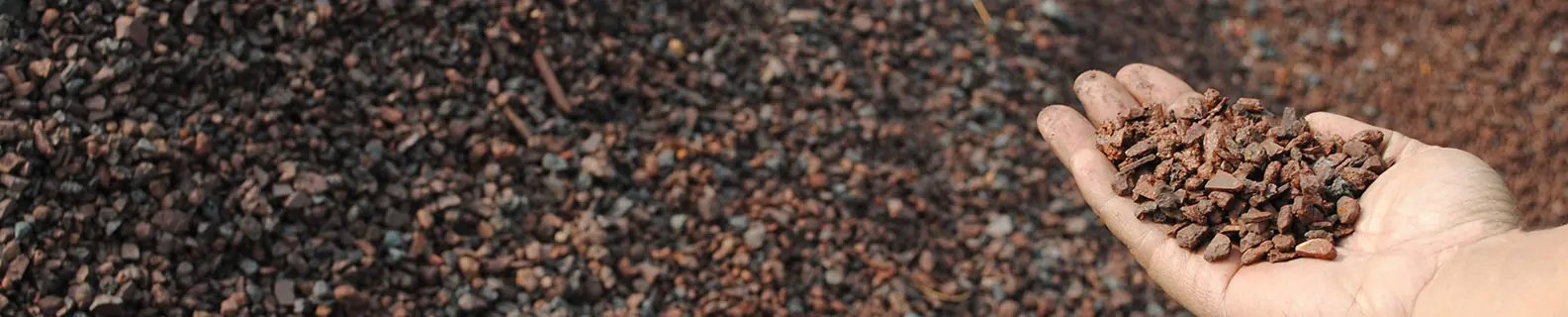
Iron ore beneficiation washes and screens mined ore before it reaches the furnace, removing silica, alumina and clay. CFlo's wet processing plants deliver a 3–4 percentage point increase in Fe value, cut coal consumption by up to 6%, and recover calibrated lump ore down to 2 mm, even through the monsoon.
What iron ore beneficiation is
Beneficiation is the step between mining ore and selling it. Run-of-mine ore arrives mixed with the rock and clay around it, and a furnace pays for iron, not for the silica, alumina and moisture that came with it. Beneficiation raises the proportion that is iron and takes out what is not, which is why the same deposit can be uneconomic before it and saleable after.
Wet processing does this by washing and screening rather than by chemistry. Water carries away clay coatings and the fine fraction where silica and alumina concentrate, and screening splits what is left into the size ranges a customer buys.
The numbers that price iron ore
Four figures decide what a consignment is worth, and beneficiation moves all four.
-
Fe percentage is the headline grade. CFlo plants deliver a 3 to 4 percentage point increase, which is often the difference between a medium-grade ore that nobody wants and a saleable one.
-
Silica and alumina are the penalties. Both concentrate in the fines, so removing the minus 60 micron material removes a disproportionate share of them.
-
Phosphorus is a metallurgical problem rather than a volumetric one, and washing reduces it by 0.005% and more.
-
Sizing decides the product. Calibrated lump ore, CLO, is ore screened to a consistent size range so it behaves predictably in a kiln, which is worth more than the same tonnage unsized.
The downstream effect is where the money is: cleaner calibrated ore cuts coal consumption by up to 6%, and customers report up to 30% longer kiln campaign life because there is less to clean out.
Small quality gains, large cost impact
Even a modest improvement in raw material quality has a significant impact on final product quality and the cost of steel production. CFlo iron ore processing plants retro-fit to your existing Raw Material Handling (RMH) system, washing mined ore before it is fed to the furnace and delivering measurable efficiencies across the operation.
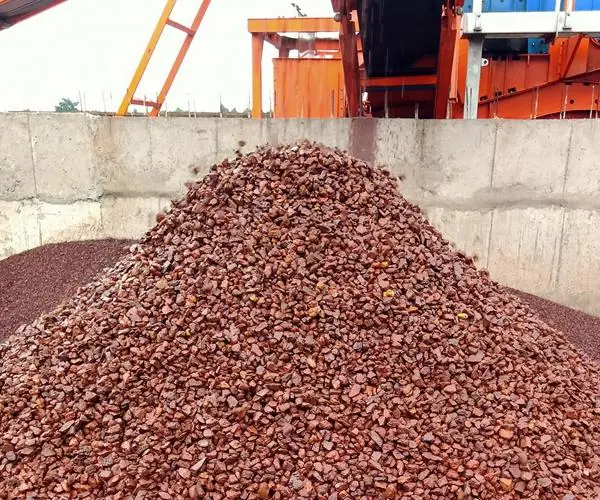
Clean Calibrated Lump Ore (CLO) for efficient kilns
Accurate wet screening unlocks the true value of medium-grade iron ores, reducing reliance on purchased high-grade ore and cutting raw material costs. CFlo's calibration systems deliver:
- 3–4 percentage point increase in Fe value
- Significant reductions in silica, alumina and clay
- Improved metallisation, resulting in higher productivity
Less silica, less coal
Silica and alumina report to the slag, so every point of them in the feed means more flux, more slag volume and more energy for each tonne of metal produced. CFlo circuits remove the minus 60 micron fraction by hydrocyclone classification ahead of the screens, and with it significant levels of silica, alumina and clay. Perfectly calibrated clean ore reduces coal consumption by up to 6%.
Maximum recovery, all year round
CFlo wet screening efficiently recovers material down to minus 2 mm at highest efficiency throughout the year, including the monsoon season, where traditional dry screens fail. That means:
- Recovery of 2–20 mm calibrated iron ore, considerably improving overall economics
- Processed minus 2 mm recovered as a by-product suitable for sinter feed or pelletising
Longer campaign life, delivered by Oremax
Fine particles and alumina in the feed end up as accretions on kiln walls, so lower alumina means far less kiln cleaning and maintenance. Clients report up to 30% increase in campaign life and higher kiln productivity, plus reductions in phosphorus content of 0.005% and more. Wet screening also cuts dust accumulation in the dust cleaning system.
The platform is Oremax, CFlo's modular wet processing range for iron ore beneficiation, a Next-Gen 'Super' System: Super modular for retro-fit into existing RMH systems, Super smart process control that holds calibration quality while reducing water and power, Super easy app-guided installation and service. It runs in the field at SAIL's Kiriburu Iron Ore Mine, Jai Balaji Jyoti Steel and Pacific Industries, each documented in a case study.
Preparing run-of-mine feed
Run-of-mine ore is not a controlled feed. The Strato Series scalping screener scalps it first, metering a consistent tonnage of correctly sized material onto the beneficiation circuit instead of letting the plant absorb whatever comes off the face.
The scrubbing stages behind the grade
Clay bonded to the ore is usually what stands between a deposit and its saleable grade, and it does not come off with spray water. Coarse material goes through a Scrubmax twin shaft logwasher, where stone-on-stone attrition strips bonded clay and floats organics off over the weir. Below 5 mm, where the contamination is a clay or oxide film on the individual grain rather than a lump between stones, an Atropure attrition scrubber cleans the surface so that the gravity and magnetic stages downstream read the mineral instead of its coating. Both are built into the Oremax plant and are also supplied on their own.
See it in action
In pictures
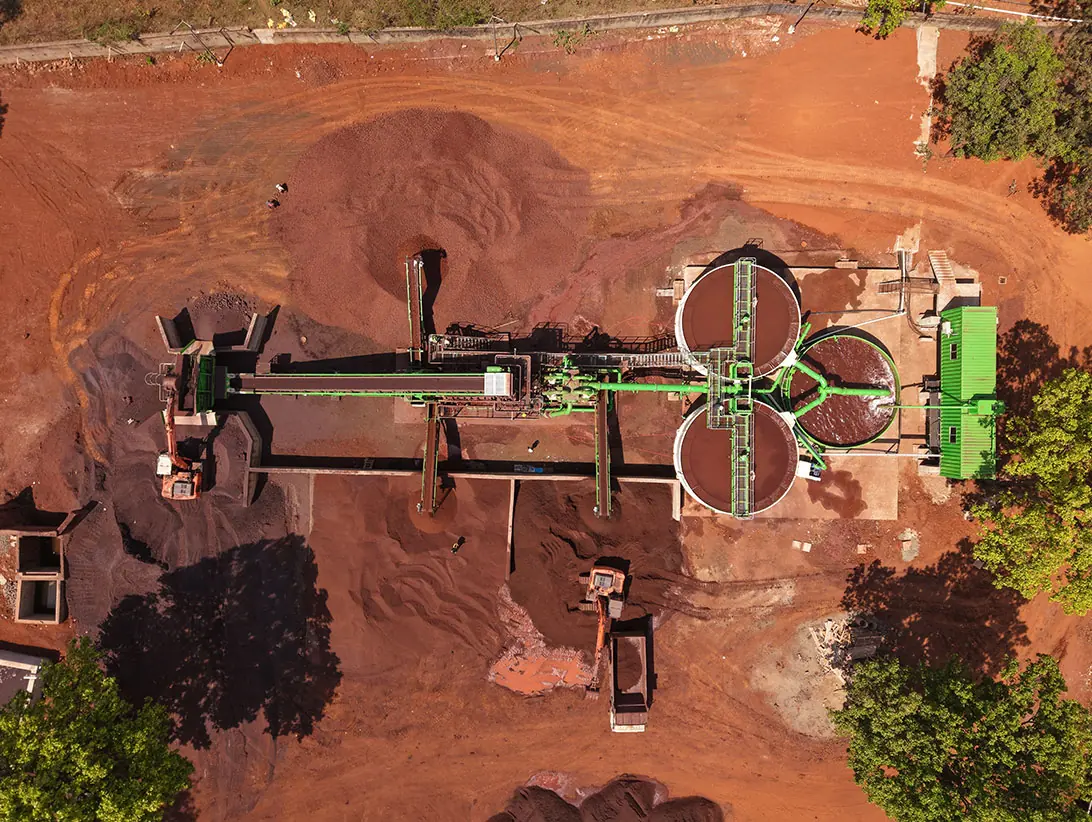
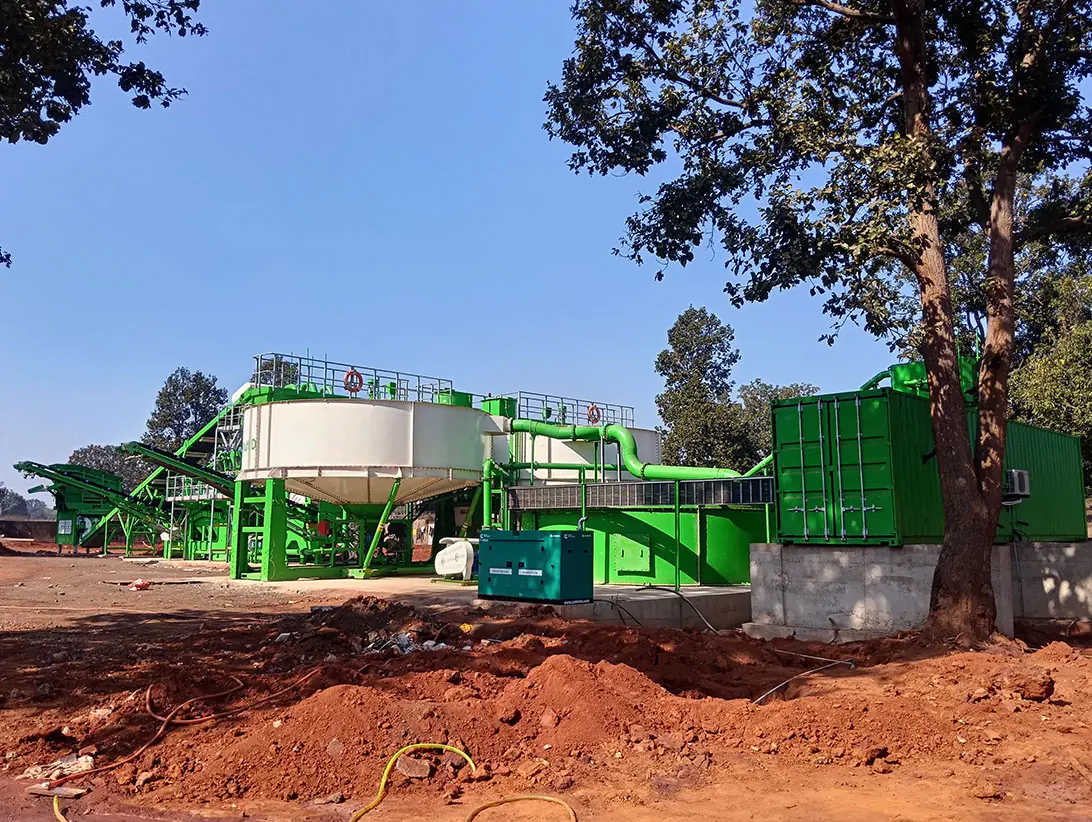
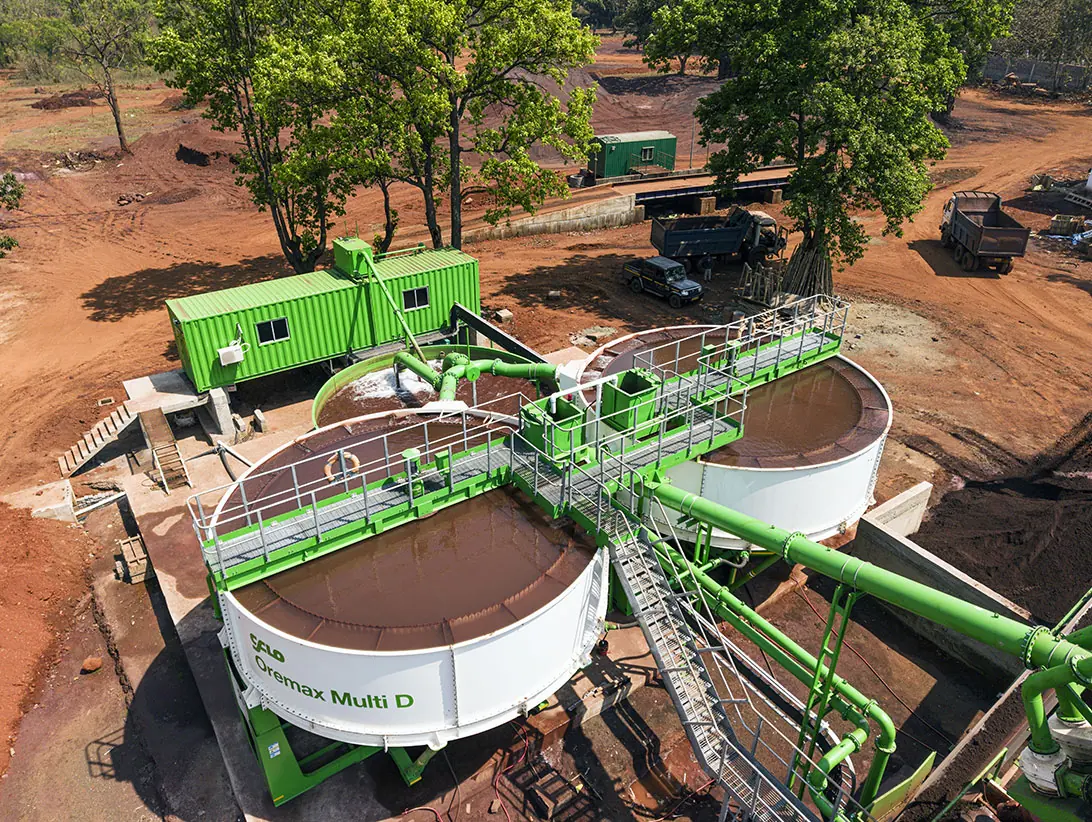
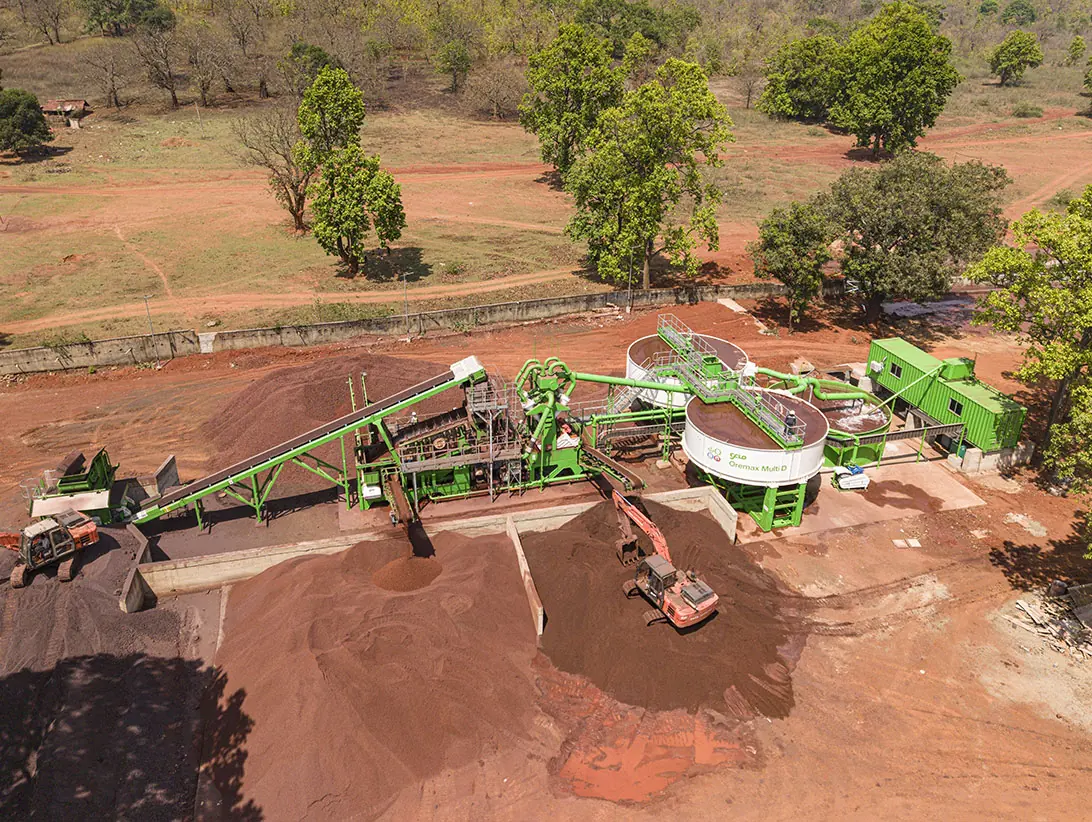
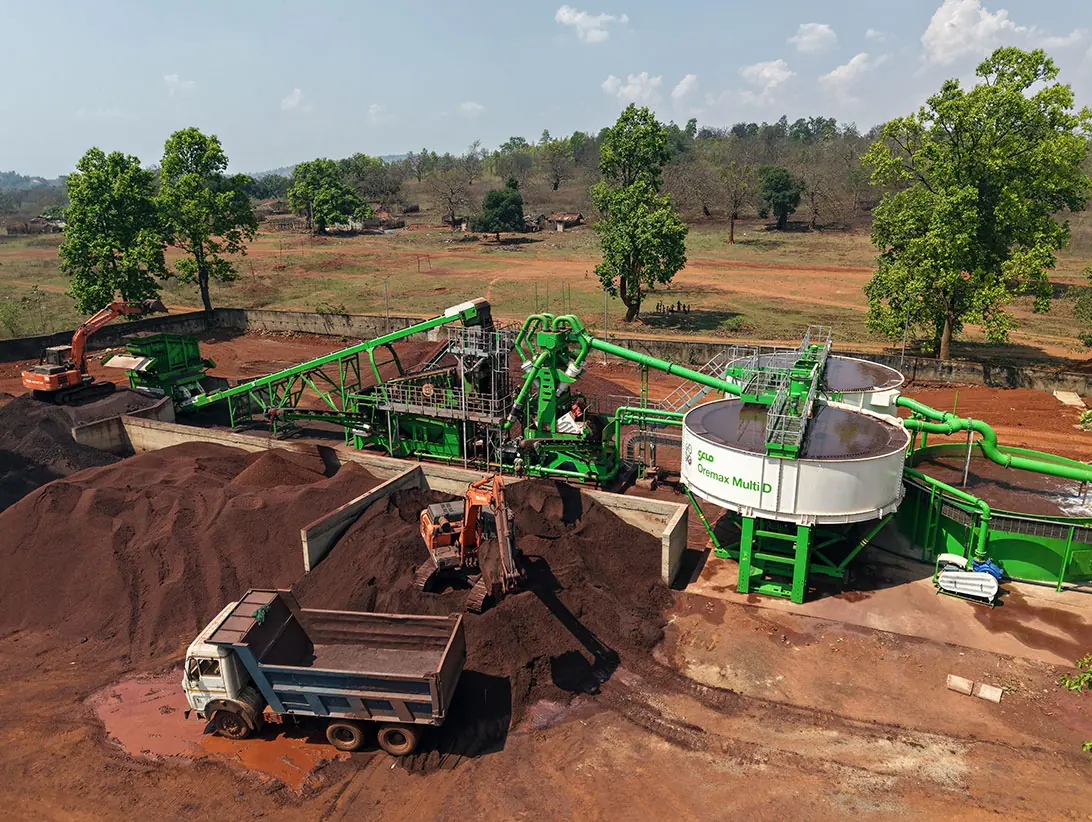
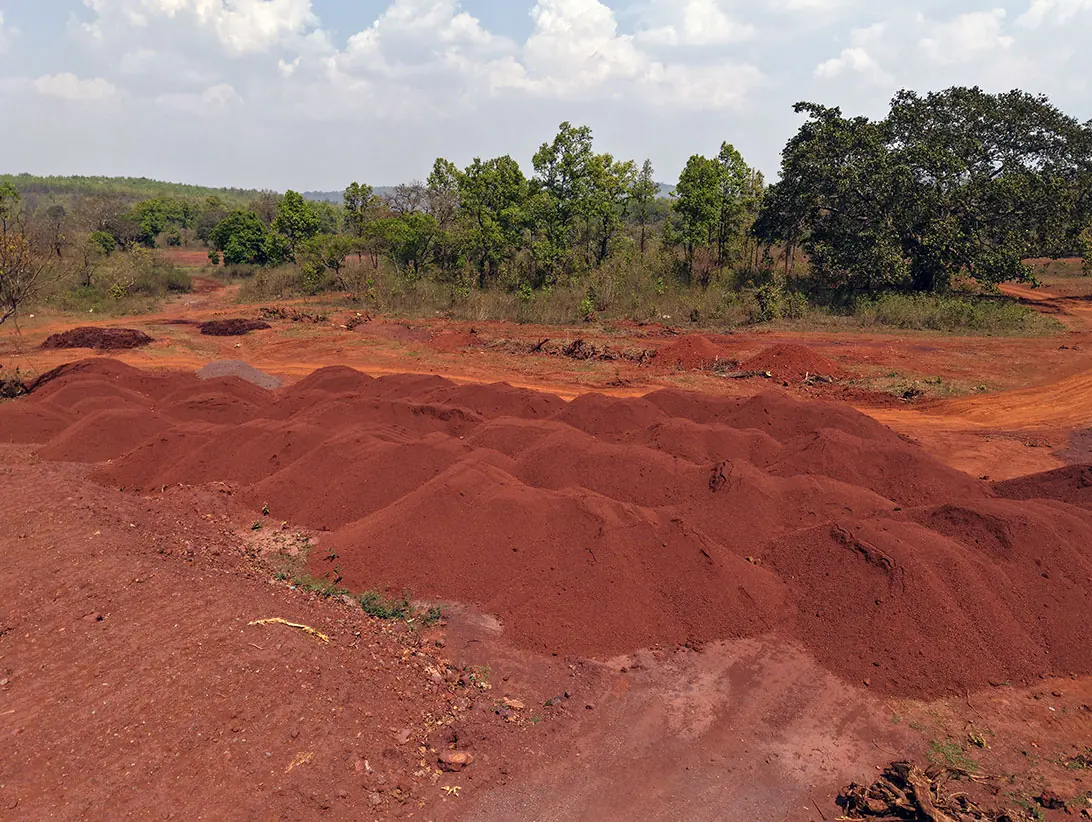
Real plants in this application
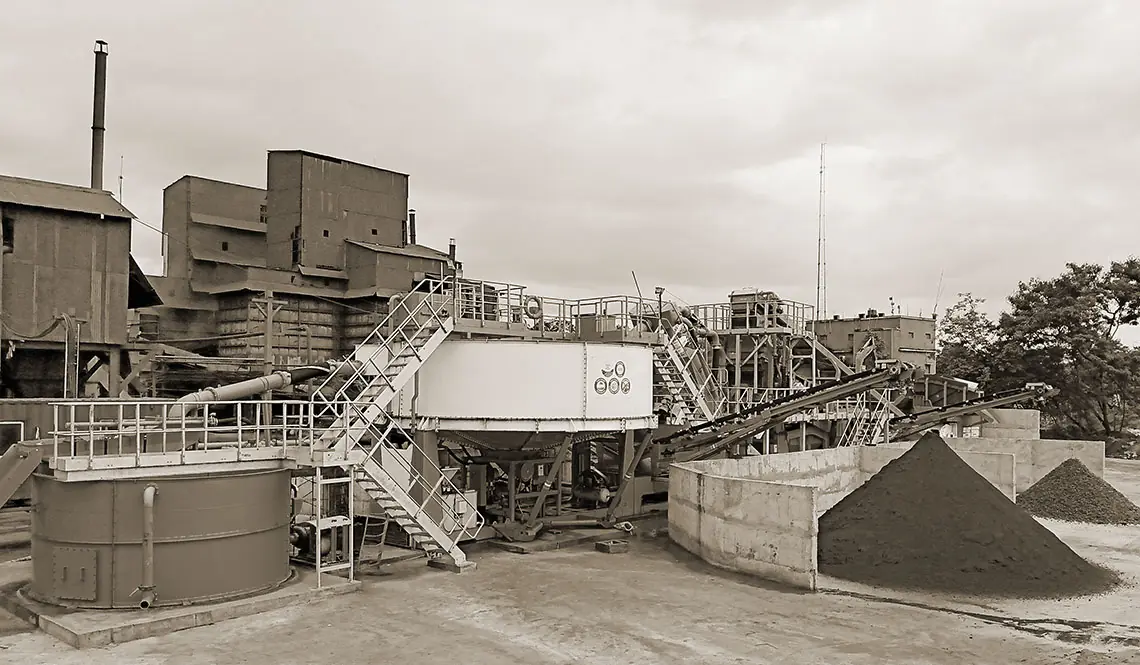
Jai Balaji Jyoti Steels Limited (Jai Balaji Group)
Rourkela, Odisha, India
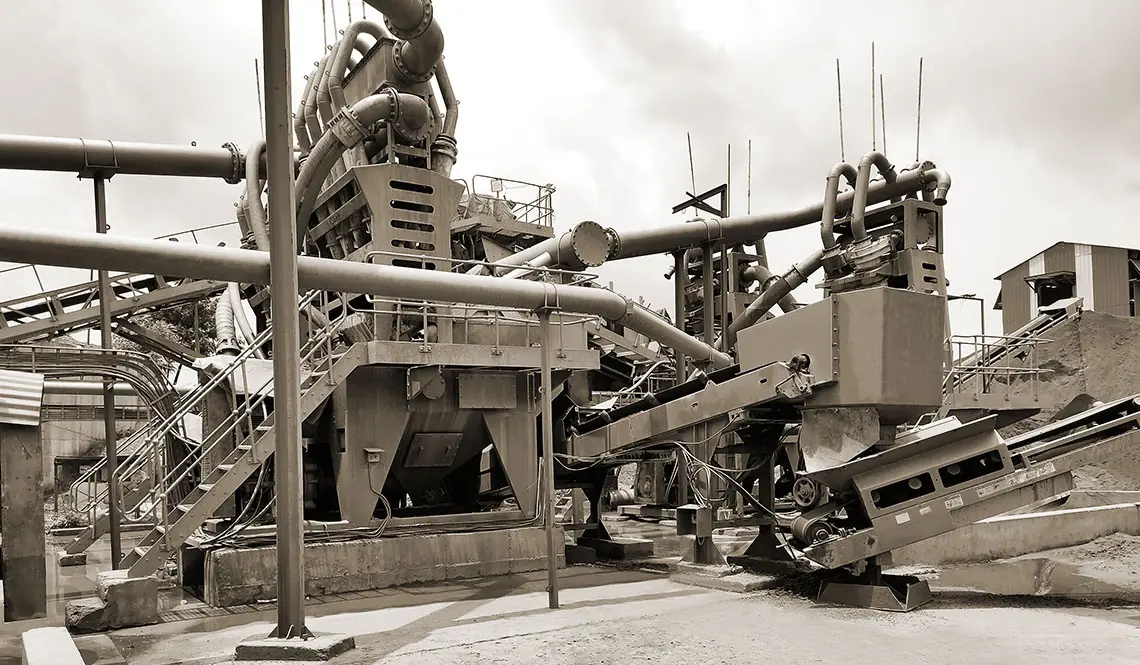
Pacific Iron Manufacturing (Pacific Industries)
Jabalpur, Madhya Pradesh, India
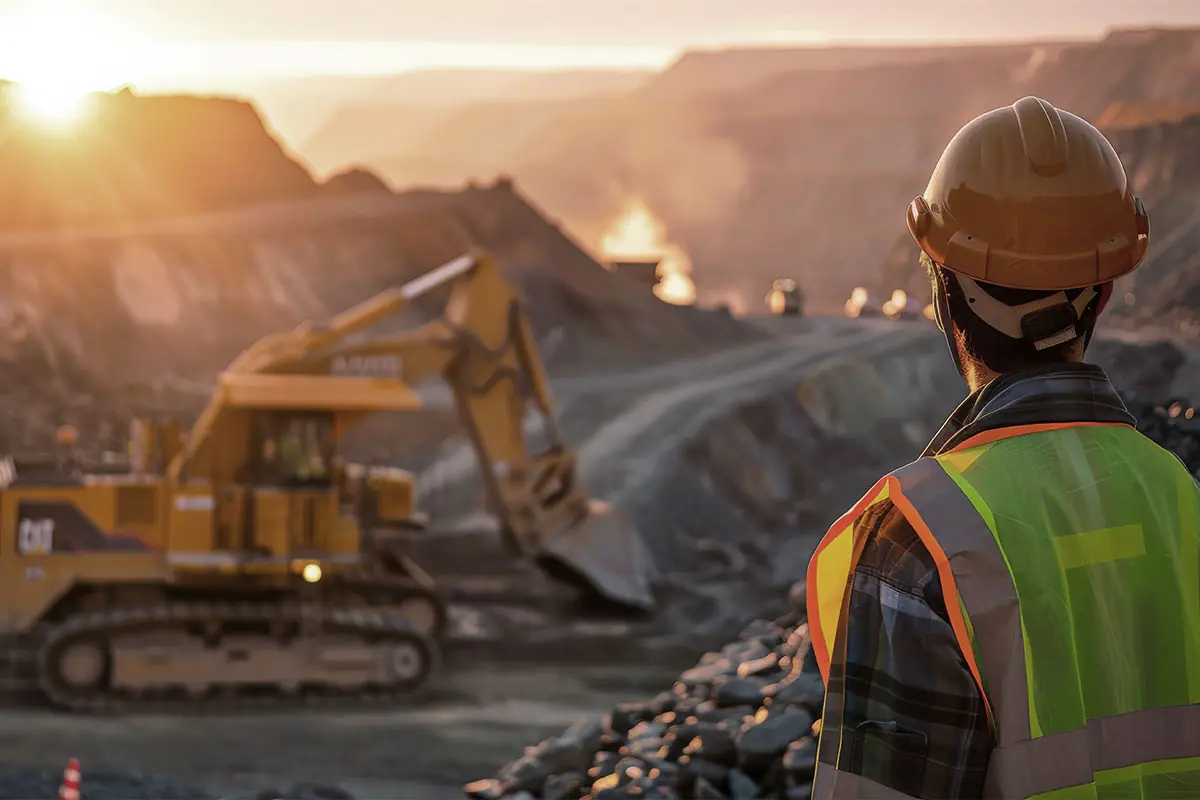
Steel Authority of India Limited (SAIL), Raw Materials Division
Kiriburu, West Singhbhum, Jharkhand, India
Machines behind these results: Oremax
Frequently asked questions
What is iron ore beneficiation?
Beneficiation is the processing step between mining ore and selling it. It raises the proportion of the material that is iron and removes what is not, mainly silica, alumina, clay and moisture. Wet beneficiation does this by washing and screening rather than by chemistry, which is why the same deposit can be uneconomic before it and saleable after.
What is calibrated lump ore?
Calibrated lump ore, or CLO, is iron ore screened to a consistent size range rather than sold as it comes. Consistent sizing makes the ore behave predictably in a kiln, so it commands more than the same tonnage unsized and it is one of the products a wet screening plant is configured to recover.
Why do silica and alumina content matter in iron ore?
Because the buyer pays for iron and is penalised for the rest. Silica and alumina concentrate in the fine fraction, so removing minus 60 micron material takes out a disproportionate share of both. Less alumina also means less kiln cleaning, which is where the reported 30% gain in campaign life comes from.
How much can beneficiation raise the Fe grade?
CFlo wet processing plants deliver a 3 to 4 percentage point increase in Fe value, along with a reduction in phosphorus of 0.005% and more. That is usually enough to let a producer run medium-grade ore that would otherwise be left in the ground.
What does iron ore beneficiation actually improve?
Washing and wet screening remove silica, alumina, clay and minus 60 micron fines before ore reaches the furnace. CFlo plants deliver a 3–4 percentage point increase in Fe value, improved metallisation and up to 0.005%+ reduction in phosphorus, letting you run medium-grade ores instead of buying only high-grade.
How much coal does calibrated iron ore save?
Up to 6%. Silica and alumina report to the slag, so every point of them in the feed means more flux and more energy per tonne of metal. By removing the minus 60 micron fraction, and with it significant silica, alumina and clay, the circuit cuts the coal consumed per tonne of production.
Can a beneficiation plant be added to my existing plant?
Yes. CFlo iron ore processing plants are designed to retro-fit to your existing Raw Material Handling (RMH) system, processing mined ore before it is fed to the furnace. The modular Oremax range keeps installation fast and the footprint compatible with an operating site.
Does wet screening work during the monsoon?
Yes, and that is a key advantage. CFlo wet screening recovers material down to minus 2 mm at highest efficiency all year round, including monsoon season, where traditional dry screens fail on wet, sticky feed. That protects recovery of 2–20 mm calibrated lump ore through the wettest months.
What happens to the minus 2 mm fraction?
It is recovered as a saleable by-product suitable for sinter feed or for pelletising, rather than being lost as waste. Combined with recovery of the 2–20 mm calibrated lump, this considerably improves the overall economics of the beneficiation circuit.
How does cleaner ore extend kiln campaign life?
Fine particles and alumina in the feed form accretions on kiln walls, forcing cleaning shutdowns. Lower alumina feed means considerably less kiln cleaning and maintenance: clients report up to 30% longer campaign life and higher kiln productivity, plus less dust accumulation in the dust cleaning system.