
Types of Aggregate
The main aggregate types, what each one is, and the processing each requires.
Aggregate is classified by where it comes from rather than by what it is made of. The primary materials are land-won sand and gravel dug from pits, marine sand and gravel dredged from the sea bed, and crushed rock blasted from a quarry face. Manufactured sand is made by washing crushed rock fines to a grading. Recycled aggregate comes from construction and demolition waste, and secondary aggregate from the by-products of other industries such as steel slag and incinerator bottom ash. One distinction applies across all of them and has the largest effect on price: whether the material has been washed.
Where the material comes from
Aggregate quality depends largely on origin. A river deposit carries the clay and silt the river deposited with it. A quarry face carries the dust produced by crushing. Demolition material carries whatever the building was made from. Each origin brings a different contaminant and requires different processing.
The terms below are those used in the industry, with a link to the processing each material needs.
Primary aggregate: dug, dredged or blasted
Primary aggregate is material won from the ground for its own sake, rather than recovered from something else. It divides three ways.
Land-won sand and gravel is sand and gravel dug from pits on land. Nearly all of it is washed before it can go into concrete, because the deposit arrives as one mixed feed of sand, gravel, silt and clay. See sand and gravel washing.
Marine sand and gravel, also called marine aggregate, is dredged from the sea bed and landed at a wharf, where it is washed to remove salt and fines. Chloride is the problem the processing has to solve, and a wharf is a tighter site than a pit. See sea sand washing.
Crushed rock is hard rock such as limestone or granite, blasted from a quarry face and crushed to size. Most of it is used dry, for roads and foundations. Washing is what qualifies it for concrete. See aggregate washing.
Manufactured sand
Manufactured sand, or spec sand, is made by washing crushed rock fines to a defined grading. It allows a quarry to supply from its own by-product the material that natural sand has traditionally supplied, which is significant because natural sand is the fraction in shortest supply.
The difference from crushed rock is one of processing rather than material. Crushed rock fines are the residue of crushing. Manufactured sand is the same material brought within a grading envelope and sold against a specification. See manufactured sand.
Recycled and secondary: material used twice
Recycled aggregate is material recovered from construction and demolition waste, such as old concrete, brick and excavated soil, then reprocessed for reuse. See C&D waste recycling.
Washed recycled aggregate is the same material after a wash plant has taken the clay, silt, dust and lightweight contaminants out of it. The difference determines the market: unwashed recycled aggregate sells into fill and sub-base, while washed recycled aggregate competes with primary material on specification.
Secondary aggregate is a by-product from another industry put to use as aggregate, for example slag from steel making or ash from an incinerator. It was not quarried for the purpose, and it normally requires processing before it performs as aggregate. See secondary aggregate.
Soil and excavation waste sits alongside these. Excavated material from tunnelling, utility works and site clearance is largely recoverable once it is washed, rather than being a disposal cost. See excavation and tunnelling waste and soil washing.
Washed material
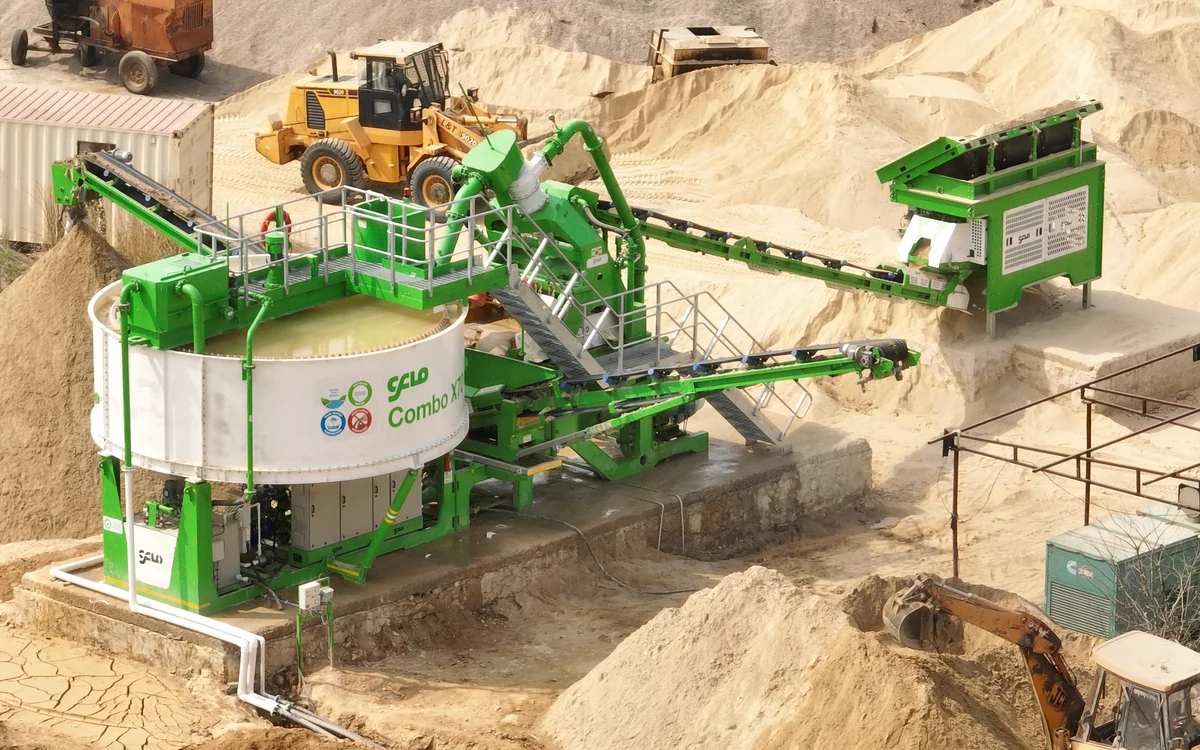
Washed material is aggregate run through a wash plant with water to strip out clay, silt and dust, so it is clean enough for concrete and other high quality uses.
The distinction applies to every category above. Land-won, marine, crushed rock, recycled and secondary aggregate can each be sold washed or unwashed, and the washed material commands a substantially higher price for the same tonnage. A concrete specification sets a limit on fines, and washing is how the material is brought within it.
Frequently asked questions
What is the difference between land-won and marine aggregate?
Land-won sand and gravel is dug from pits on land. Marine sand and gravel is dredged from the sea bed and landed at a wharf. Both are natural deposits and both are washed before sale, but marine material additionally carries chloride from sea water, which the processing has to reduce.
Is crushed rock the same as manufactured sand?
No. Crushed rock is quarried hard rock crushed to size, most of which is used dry for roads and foundations. Manufactured sand is made from the fine fraction of that crushed rock, washed and graded to a specification so it can replace natural sand in concrete.
What does washed material mean?
Aggregate that has been run through a wash plant with water so clay, silt and dust are removed. It is the distinction between material sold as fill and material sold against a concrete specification.
What counts as secondary aggregate?
By-products from other industries used as aggregate, most commonly slag from steel making and ash or incinerator bottom ash. The defining feature is that the material was produced by some other process and is being put to use rather than quarried.
Which of these can be recycled into concrete?
All of them, given the right processing. Recycled and secondary aggregate need the most work, because the contaminants are more varied, which is why washing rather than crushing alone is what decides whether the output reaches a concrete specification.