
Rock Phosphate Washing
Enhancing phosphate quality through advanced washing processes on the journey from mined ore to effective fertiliser.
PlatformsOremax
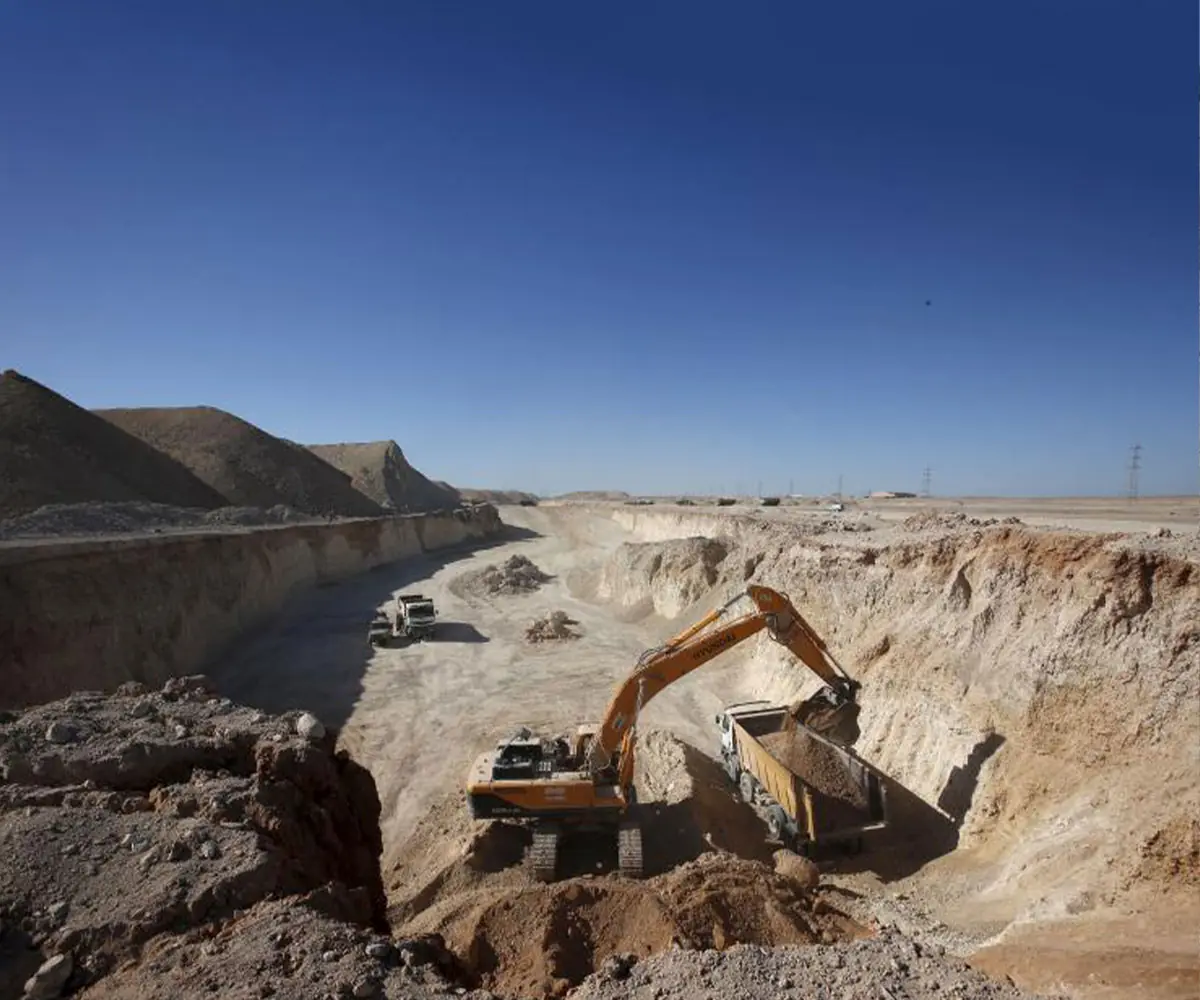
Rock phosphate washing removes the clay, sand and organic matter present in mined phosphate ore, raising phosphate content and solubility on the way to fertiliser production. CFlo's modular plants combine high-pressure water jets, attrition scrubbing and hydrocyclones with a water recycling system, producing a premium P2O5 concentrate while recycling up to 95% of process water.
What rock phosphate is
Rock phosphate is the rock the world's phosphorus comes from, and phosphorus is one of the three elements every fertiliser needs. That matters more than it sounds: nitrogen can be fixed from the air and potassium is abundant, but phosphorus is an element. It cannot be manufactured, only mined, concentrated and used well.
Grade is quoted as P2O5, phosphorus pentoxide, which is the conventional way the industry expresses how much phosphate a rock contains. As mined it is diluted by clay, sand and organic matter, none of which contributes anything downstream. A washing plant does not add phosphate; it takes away everything that is not phosphate, and the P2O5 figure rises because the denominator falls.
Why the grade decides the economics
Every tonne of clay and sand that travels with the ore is a tonne that gets shipped, handled, dosed with acid in the fertiliser plant, and then disposed of as waste. Concentrating at the mine rather than at the plant means the reagents and the freight are spent on material that yields product.
Why washing rock phosphate is essential
The journey from raw, mined rock phosphate to a refined, highly effective phosphate fertiliser involves several crucial steps, and washing the ore is one of the most vital.
- Removal of impurities: as mined, rock phosphate contains clay, sand and organic matter that significantly reduce the quality and effectiveness of the final product. Washing removes these unwanted materials so the ore is pure and ready for further processing
- Increased phosphate content: removing impurities early in the processing chain increases the concentration of phosphate minerals, giving a higher phosphate content in the final product and greater value for agricultural and industrial applications
- Improved solubility: phosphate fertilisers must be soluble to be readily available to plants. Washing enhances the solubility of phosphate compounds by removing insoluble impurities, so the product delivers nutrients to crops more efficiently
- Environmental benefits: removing contaminants early minimises the risk of harmful substances leaching into soil and water systems, reducing the environmental impact of phosphate mining and processing
The washing process
CFlo's process employs high-pressure water jets, attrition scrubbing and hydrocyclones, together with a water recycling system, to produce a premium P2O5 concentrate. The modular approach improves phosphate quality and enhances environmental sustainability by recycling up to 95% of process water. The related CFlo platform for phosphate duty is the Oremax modular ore washing system.
Frequently asked questions
What is rock phosphate?
Rock phosphate is the mined rock from which the world's phosphorus is obtained, and phosphorus is one of the three essential fertiliser nutrients. Unlike nitrogen, which can be fixed from the air, phosphorus is an element that cannot be manufactured, only mined and concentrated.
What does P2O5 mean?
P2O5 is phosphorus pentoxide, the conventional way the industry expresses phosphate content. A grade quoted as a P2O5 percentage says how much phosphate a rock carries. Washing raises that percentage not by adding phosphate but by removing the clay, sand and organic matter diluting it.
What is rock phosphate used for?
Overwhelmingly fertiliser. It is the feedstock for phosphatic fertilisers, and smaller quantities go into animal feed supplements and industrial phosphates. Because phosphorus cannot be synthesised, concentrating low-grade ore efficiently is the only way to extend a finite resource.
Why is rock phosphate washed before fertiliser production?
Mined rock phosphate contains clay, sand and organic matter that reduce the quality and effectiveness of the final fertiliser. Washing removes these impurities early, increasing the concentration of phosphate minerals, improving solubility and minimising the risk of contaminants leaching into soil and water systems.
How does washing increase P2O5 content?
By removing clay, sand and organic impurities at the start of the processing chain, the proportion of phosphate minerals in the ore rises. CFlo's combination of high-pressure water jets, attrition scrubbing and hydrocyclones delivers a premium P2O5 concentrate that is more valuable in agricultural and industrial applications.
Does washing improve fertiliser solubility?
Yes. Phosphate fertilisers need to be soluble to be readily available to plants. The washing process removes insoluble impurities, enhancing the solubility of the phosphate compounds and ensuring the final product delivers essential nutrients to crops more efficiently.
How much water does a rock phosphate washing plant recycle?
Up to 95% of process water is recycled through the integrated water recycling system. This makes CFlo's modular phosphate washing plants viable in water-constrained mining regions and cuts both the operating cost and the environmental footprint of the operation.
Which CFlo equipment is used for rock phosphate?
CFlo plants for phosphate combine high-pressure water jets, attrition scrubbing and hydrocyclones with water recycling, delivered in a modular configuration. The related CFlo platform for this duty is the Oremax modular ore washing system.