
Frac Sand & Proppant Processing Equipment
Wet processing and dry classification routes that turn your silica deposit into in-spec proppant at the lowest cost per tonne.
PlatformsAerograderMicrograder
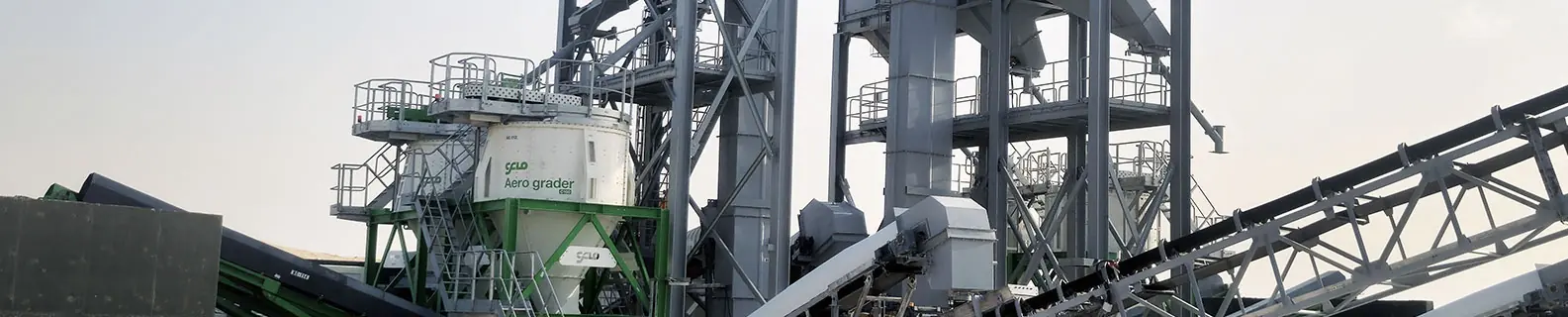
Frac sand processing turns raw silica deposits into proppant that meets the international proppant standards: at least 90% of grains between the designating sieves, under 0.1% oversize and under 1% fines. CFlo builds both wet washing circuits and water-free dry classification plants, field-validated on local dune sand.
What defines a frac sand
Frac sand is a proppant: pumped into a fractured reservoir, it must hold the fracture open under closure stress while letting hydrocarbons flow. That places tight demands on the processed product:
- Particle size distribution: a minimum of 90% of the tested sample must fall between the two designating sieves for the grade (20/40, 30/50, 40/70, 70/140). Not more than 0.1% may be coarser than the coarse designating sieve, and not more than 1% finer than the fine designating sieve
- Sphericity and roundness: premium grades need well-rounded, near-spherical grains so the proppant pack stays conductive under load
- Crush resistance, turbidity and acid solubility: clay, silt and surface coatings must be removed to meet the limits the standards set
The recurring engineering challenge is making a precise top-size and bottom-size cut, then removing residual fines below the bottom sieve, repeatably, at production rate.
Route 1: wet processing
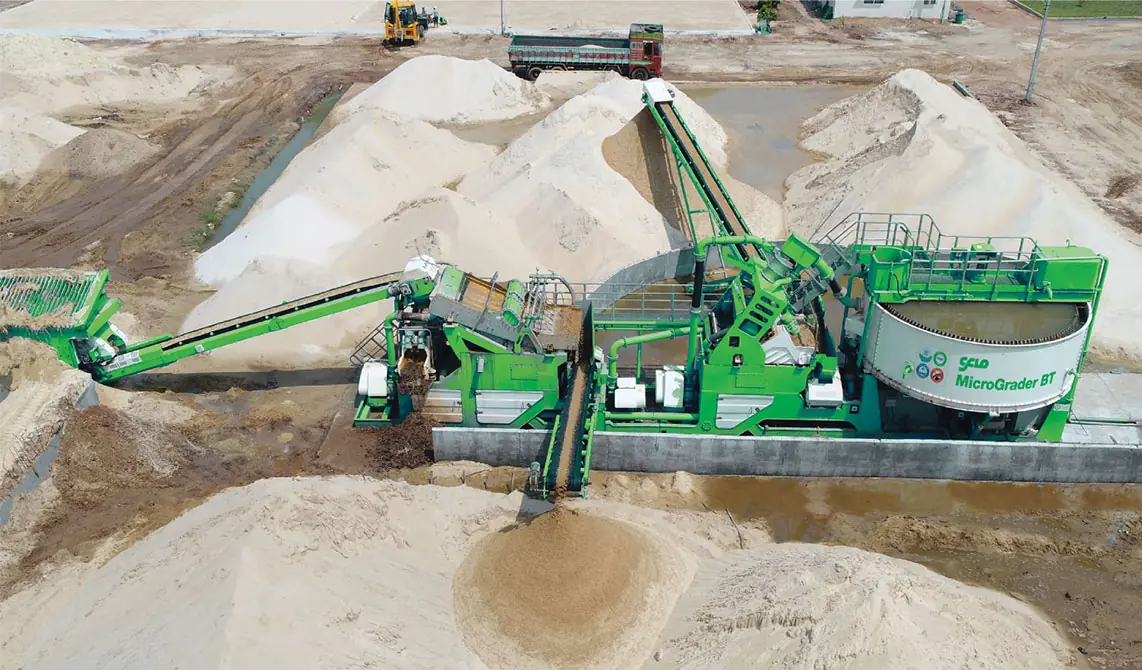
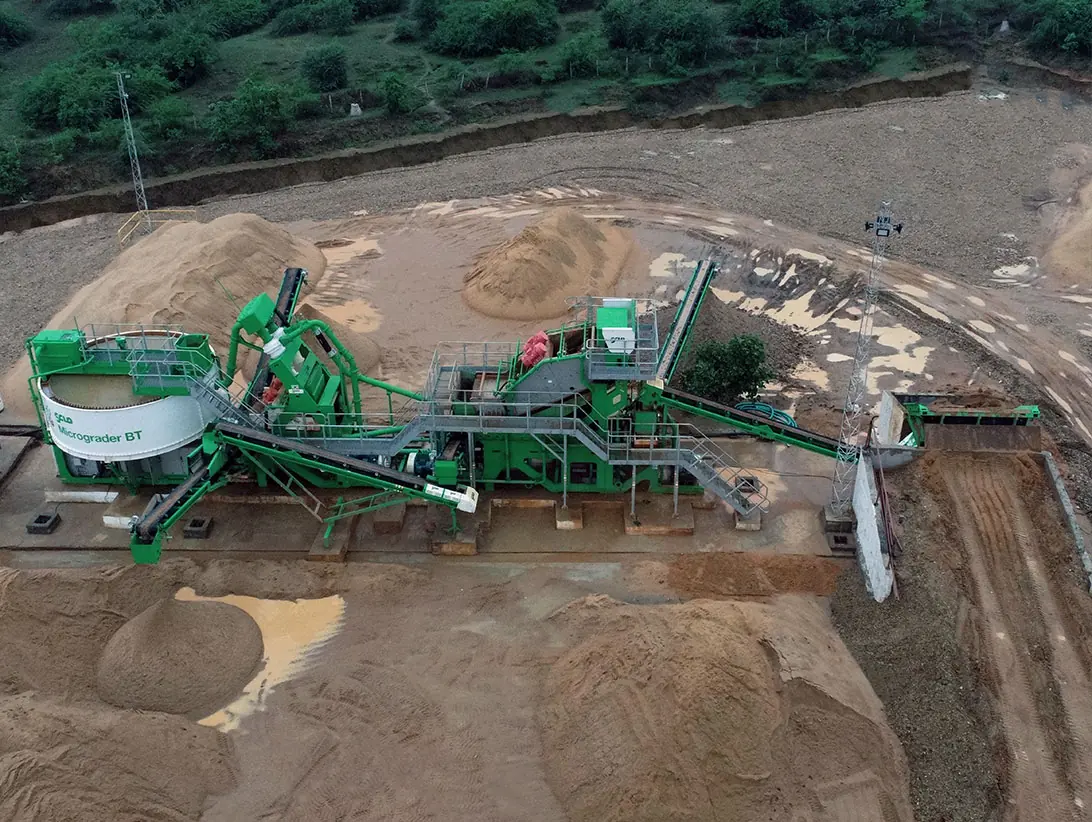
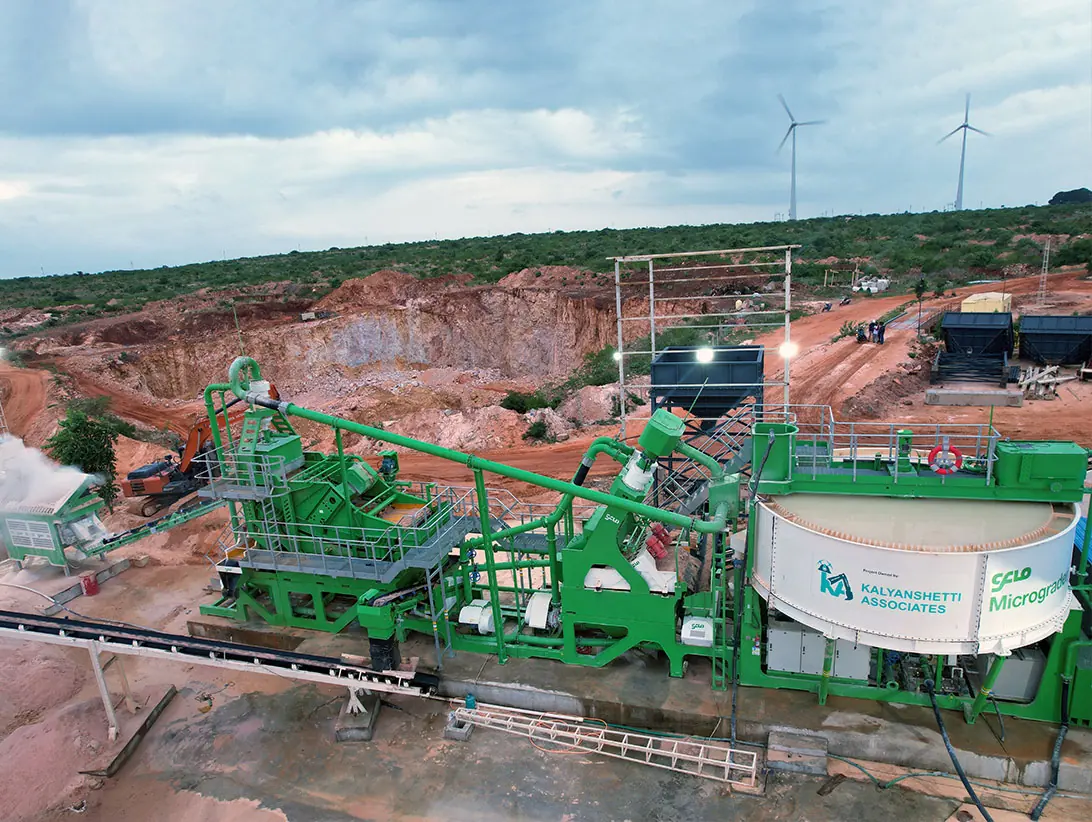
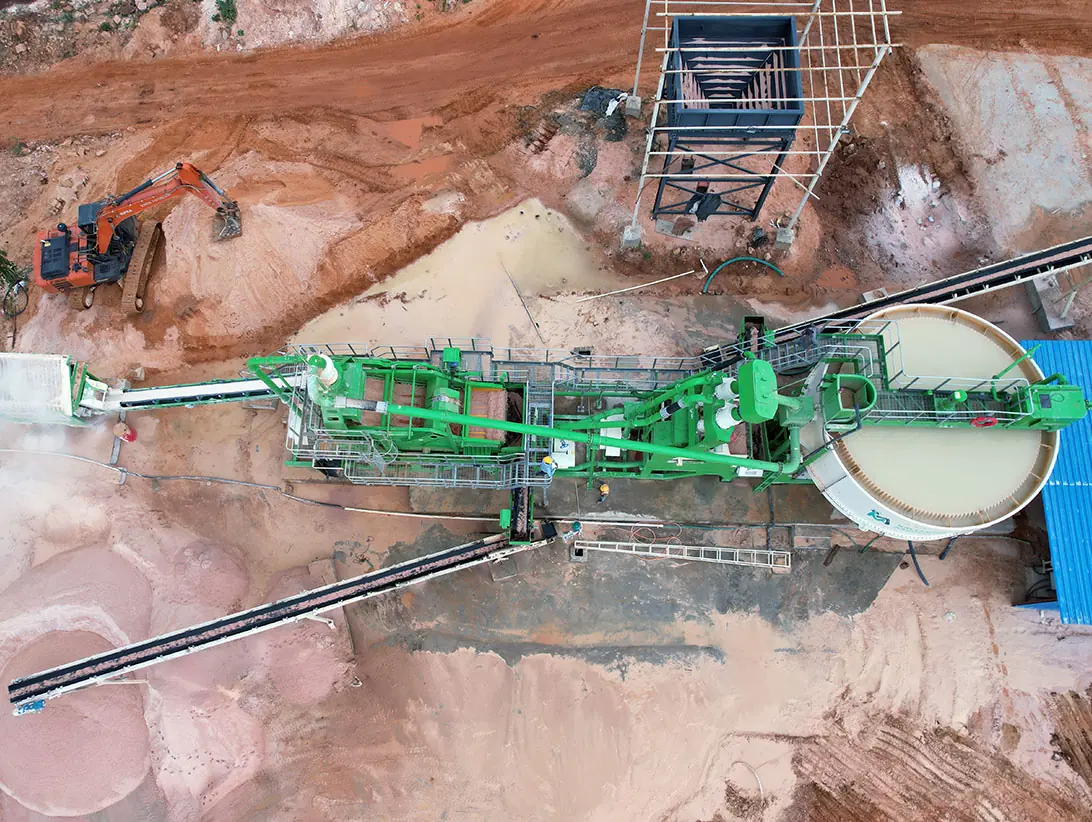
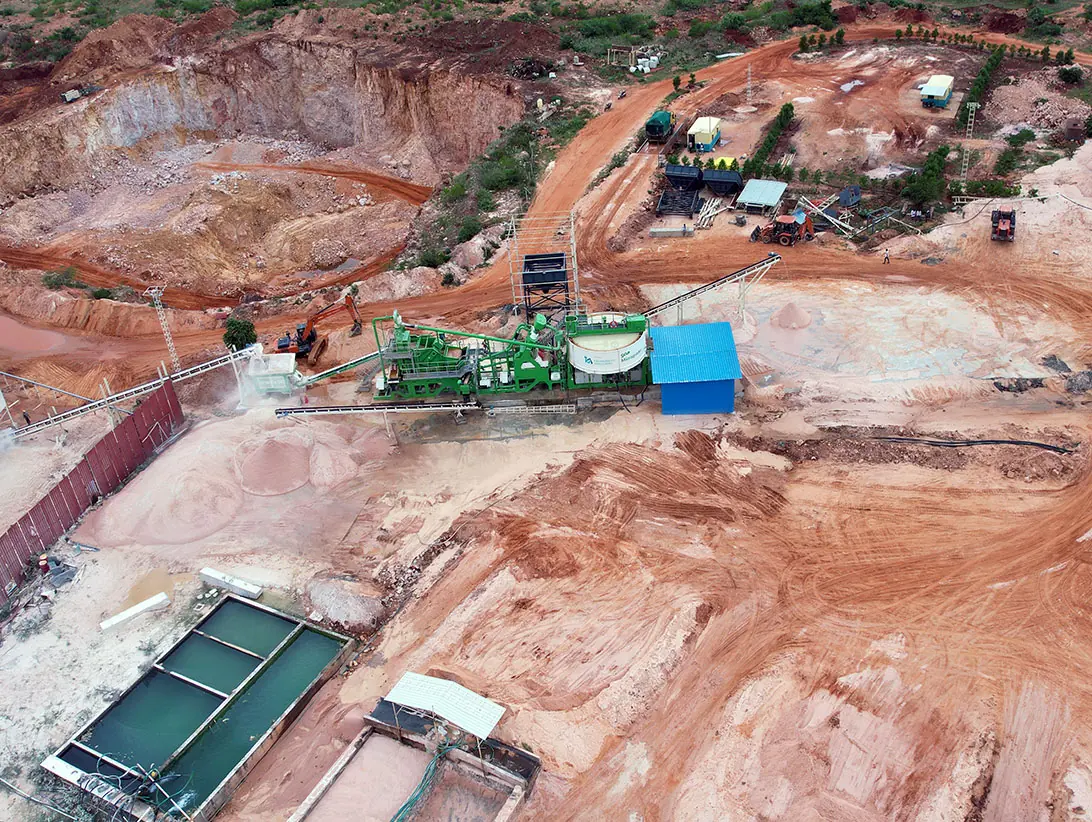
Where the feed carries clay, silt or surface coatings, or needs both a sharp size cut and a wash, the wet circuit is the proven route. CFlo builds the complete modular design: feed preparation, attrition scrubbing to liberate clay and strip coatings, upward-flow hydraulic classification to lift oversize and undersize away from the in-spec fraction, fine sand recovery, and high-frequency dewatering screens configurable for more than one dewatered product at once. Cyclones and our water treatment range recover ultra-fines from the classifier overflow and return clarified water to the circuit, so a wet frac sand plant can run close to Zero-Liquid Discharge, recycling up to 95% of process water, even on a tight water budget.
Route 2: dry classification with the Aerograder
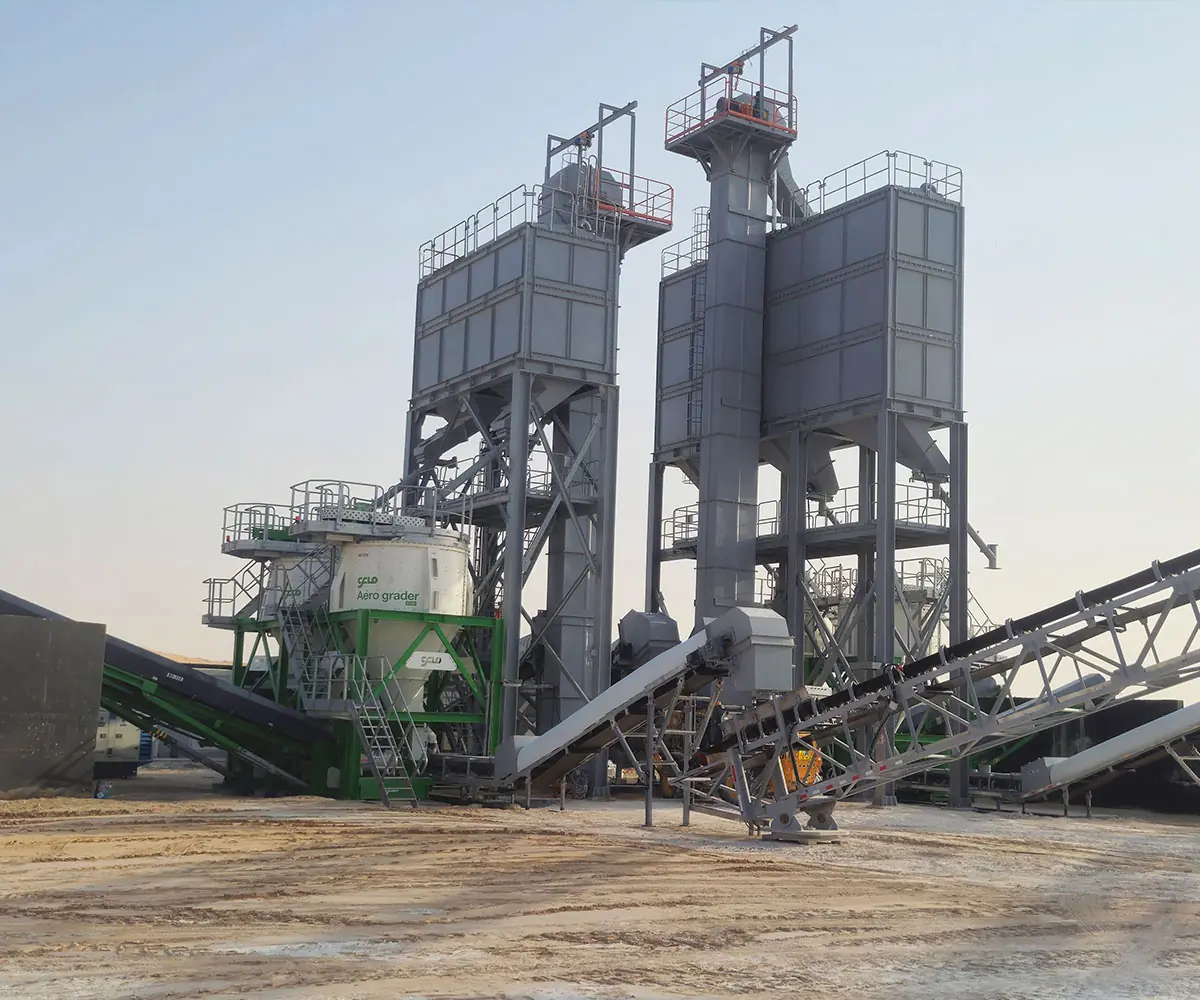
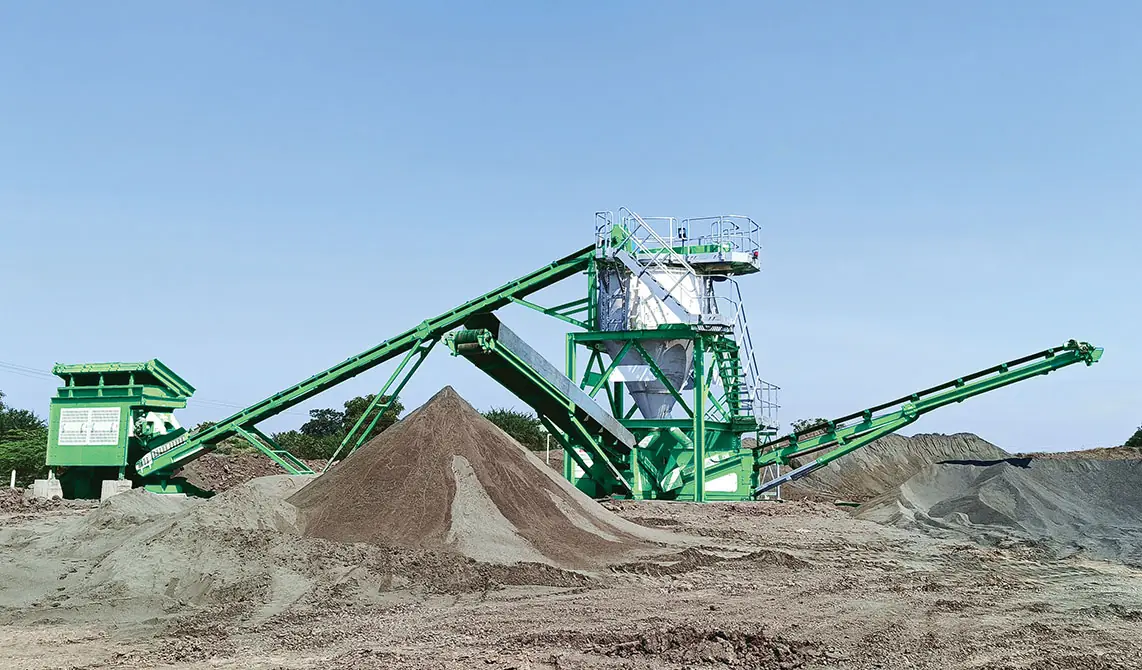
Many frac sand deposits, particularly in desert and arid basins, arrive already dry and largely clean. A full wet circuit then adds cost, water and footprint the material does not need. For these feeds CFlo deploys the Aerograder air classifier: a precise fines cut with no water, no cyclone, no baghouse and no airlock. The Aerograder takes feed below 5 mm at below 2% surface moisture and cuts cleanly in the 75–100 micron region, which is where the residual fines below the finest designating sieves have to be removed.
The dry route is right when water is scarce, expensive or not permitted for discharge; when the feed is already dry and free of bonded clay; when the job is fundamentally a precise fines cut rather than a wash; and when lowest operating cost and smallest footprint are decisive.
Field validation
A frac sand operation in the Middle East commissioned a CFlo dry classification line running four Aerograder units in parallel. The line met the bottom-size limit and the saleable yield target on local dune sand using no process water at all, in a basin where water cannot be spared, and that campaign is now the calibration reference for CFlo's frac sand process modelling.
The measured results, campaign by campaign, are set out in the Abu Dhabi case study.
Reference grades and sieve nests
CFlo works to the standard frac sand designations: 6/12 (3.36–1.68 mm), 8/16 (2.38–1.19 mm), 12/20 (1.68 mm–841 micron), 16/30 (1.19 mm–595 micron), 20/40 (841–420 micron), 30/50 (595–297 micron), 40/70 (420–210 micron) and 70/140 (210–105 micron), each tested on the recommended USA sieve nest. Micrograder (wet) and Aerograder (dry) plants are engineered as Next-Gen 'Super' Systems: Super modular for fast deployment to remote basins, Super smart process control that holds spec while minimising water and power, Super easy app-guided installation and service.
The equipment that holds the sieve bands
A proppant is worth its price only if the sieve band actually holds, and no single machine holds all of it. Screenmax FS86 High Precision Fines Screens fix the top of the gradation and dewater on the same deck. Hydrocyclones hold the bottom. The mid-range split between the two saleable fractions belongs to the Vertimax upward flow classifier, which makes a sharp cut where a screen would blind and a cyclone would scatter, and holds it automatically from a PLC setpoint rather than drifting with the feed. Get that middle cut wrong and both products fall out of specification at once. All are built into the Micrograder plant and supplied separately.
In pictures
Real plants in this application
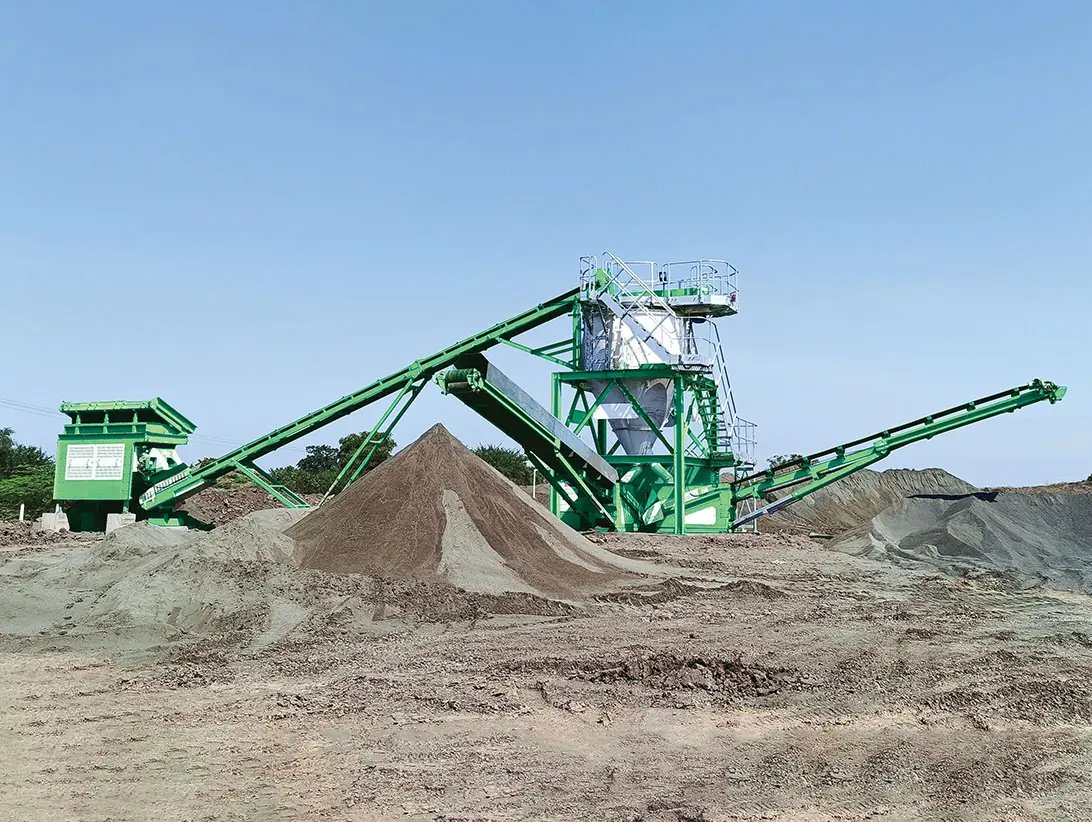
Afcons Infrastructure Limited
Khadki, Pimpalgaon and Wardha (Samruddhi Mahamarg Package 2), Maharashtra, India
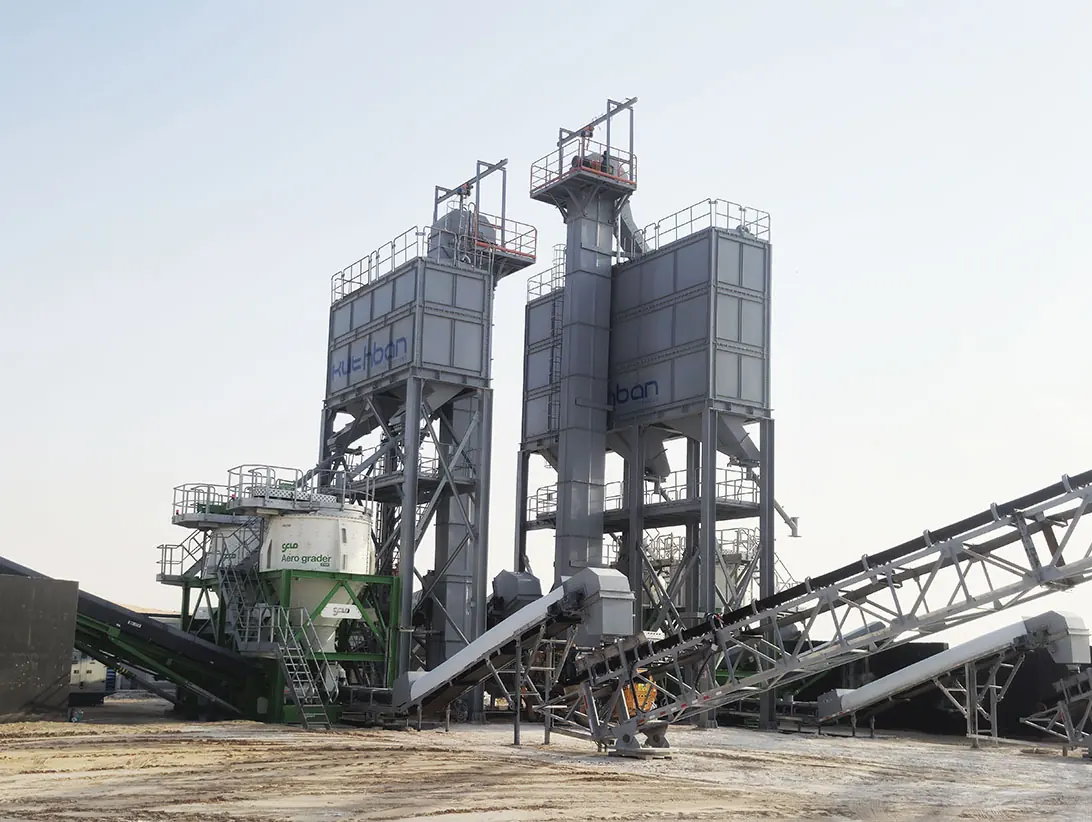
Major oil and gas services operator (anonymised)
Abu Dhabi, United Arab Emirates
Machines behind these results: Aerograder
Frequently asked questions
What specification does frac sand have to meet?
Under API RP 19C and ISO 13503-2, at least 90% of the tested sample must fall between the grade's designating sieves (for example 20/40 or 40/70), with no more than 0.1% coarser than the top sieve and no more than 1% finer than the bottom sieve, plus sphericity, roundness, crush-resistance, turbidity and acid-solubility limits.
Can frac sand be processed without water?
Yes. CFlo's Aerograder air classifier makes the fines cut with no water, no cyclone, no baghouse and no airlock. It accepts feed below 5 mm at below 2% surface moisture and cuts in the 75–100 micron region. A Middle East installation met the sub-1% bottom-size limit entirely dry; the measured results are in the case study.
When do I need a wet circuit instead of dry classification?
Choose wet processing when the deposit carries clay, silt or surface coatings that must be scrubbed off to meet turbidity and crush limits, or when you need both a wash and a sharp size cut. Attrition scrubbing, hydraulic classification and dewatering screens deliver that; dry classification suits clean, already-dry desert feeds.
How much water does a wet frac sand plant recycle?
With cyclones recovering ultra-fines from the classifier overflow and CFlo's water treatment range returning clarified water to the circuit, a wet frac sand plant can run close to Zero-Liquid Discharge, recycling up to 95% of process water, workable even in arid, water-stressed basins.
What throughput and yield can a dry classification line achieve?
The Middle East reference installation runs four Aerograder units in parallel against a combined throughput target. The campaign met both the saleable yield target and the bottom-size limit, and the measured results are reported in the case study.
Which frac sand grades can a CFlo plant produce?
All standard designations: 6/12, 8/16, 12/20, 16/30, 20/40, 30/50, 40/70 and 70/140 mesh, spanning 3.36 mm down to 105 micron. Each plant is designed around your feed's particle size distribution and the grades you intend to sell, with high-frequency screens configurable for multiple simultaneous dewatered products.