
Chromite Ore Beneficiation Plants
Optimise chromite ore for maximum efficiency in ferrochrome production, from feed preparation to zero-tailings water management.
PlatformsOremax
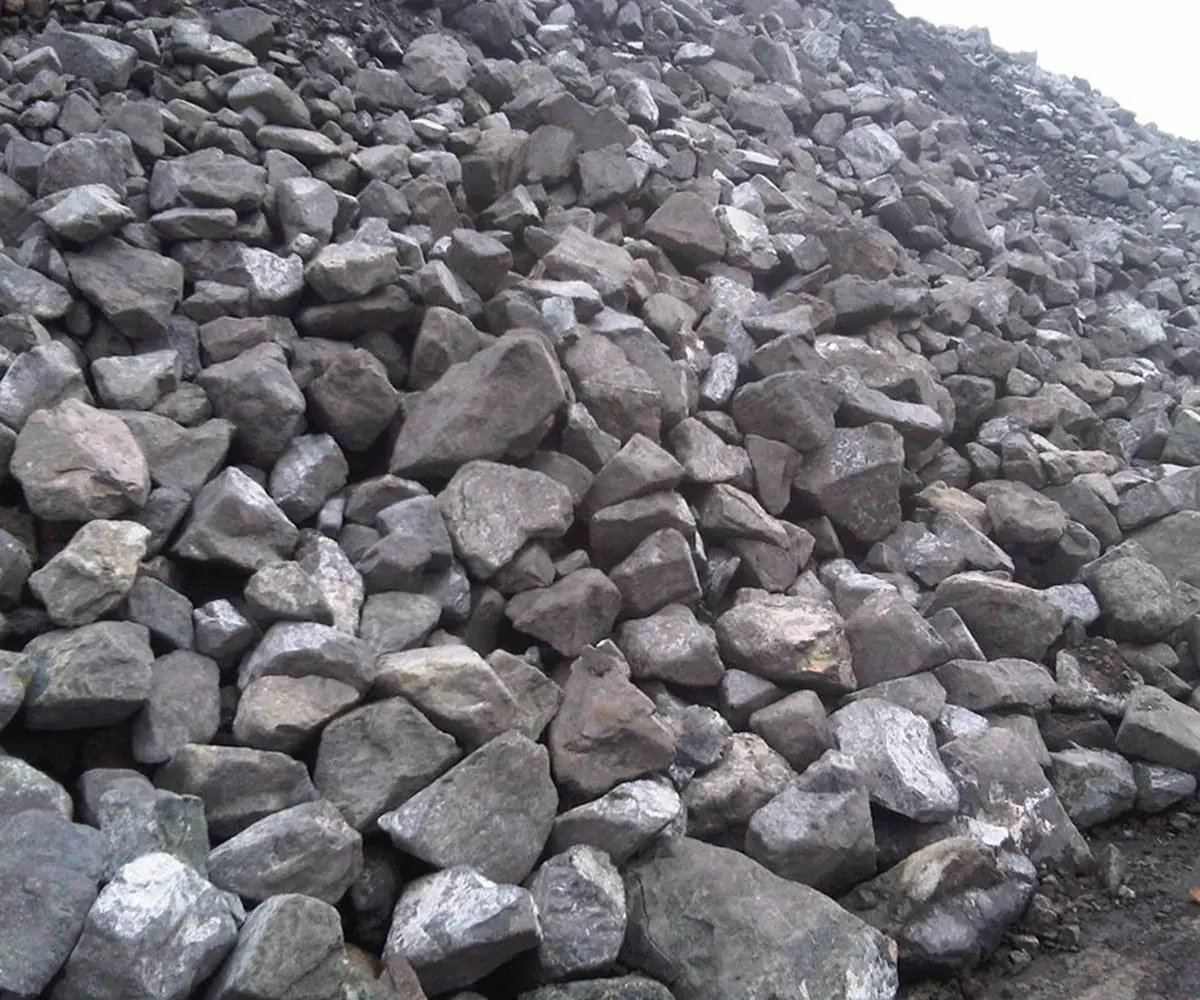
Chromite ore beneficiation prepares and concentrates chromite for ferrochrome production, an alloy of 50–70% chromium used in stainless steel. The circuit combines feed preparation (crushing, screening, grinding) with concentration via hydrocyclones and spirals, plus Scrubmax logwashers for clay-contaminated ores and filter presses for zero-tailings operation.
Why chromite quality matters
Chromite ore is predominantly used to produce ferrochrome, an alloy of chromium and iron containing between 50% and 70% chromium. Steel production is the largest consumer of ferrochrome, especially stainless steel, which contains between 10% and 20% chromium. The cleaner and better calibrated your chromite feed, the more efficient every downstream tonne of alloy.
What chromite is, and what chromium does
Chromite is the only commercial source of chromium. It is an iron chromium oxide, which matters practically: the iron sits inside the mineral rather than being a contaminant to remove, so a chromite concentrate is always a chrome-and-iron product and the smelter's alloy grade follows from the ratio between them.
Chromium is worth mining for one property. It is what makes stainless steel stainless: chromium in the alloy forms a thin, self-repairing oxide film on the surface, and that film is why the steel resists corrosion. Nothing cheap does the same job, so demand for chromite follows stainless steel production rather than steel production in general.
What a smelter is buying
A ferrochrome producer buys chrome content and consistency, and pays for neither silica nor clay. The chromite grains sit in a silicate host rock, so beneficiation is a matter of rejecting the gangue and keeping the chromite, which raises the chrome grade of what leaves the plant.
Recovery depends on the grain surface being clean, because the concentration stages separate on density: a coated particle reports the density of its coating rather than of the chromite underneath. That is why scrubbing comes before concentration rather than after it.
The two stages of chromite processing
Chromite ore processing divides into two areas:
- Feed preparation: physical separation equipment including crushers, screens and grinding mills, whose principal function is size reduction ready for concentration
- Concentration: hydrocyclone technology and spirals produce the chrome concentrate from which the final product is derived, with process wastewater reporting to tailings, where an additional filtration stage may be employed
CFlo equipment for chromite ore
- Screening: CFlo screens classify chromite ore in preparation for the further stages of processing
- Hydrocyclones: deslime the ore, removing the fine fraction that would otherwise report to the concentrate and dilute its grade
- Scrubmax logwashers: our heavy-duty scrubbing system for chromite ore with clay contamination; the logwasher's scrubbing action breaks down and removes clays, so the concentration stages downstream separate on the mineral rather than on its coating
- Tailings management: a customised filter press supports the move to zero tailings, reducing waste and significantly cutting health and safety risks on site
Oremax, proven with Vedanta FACOR
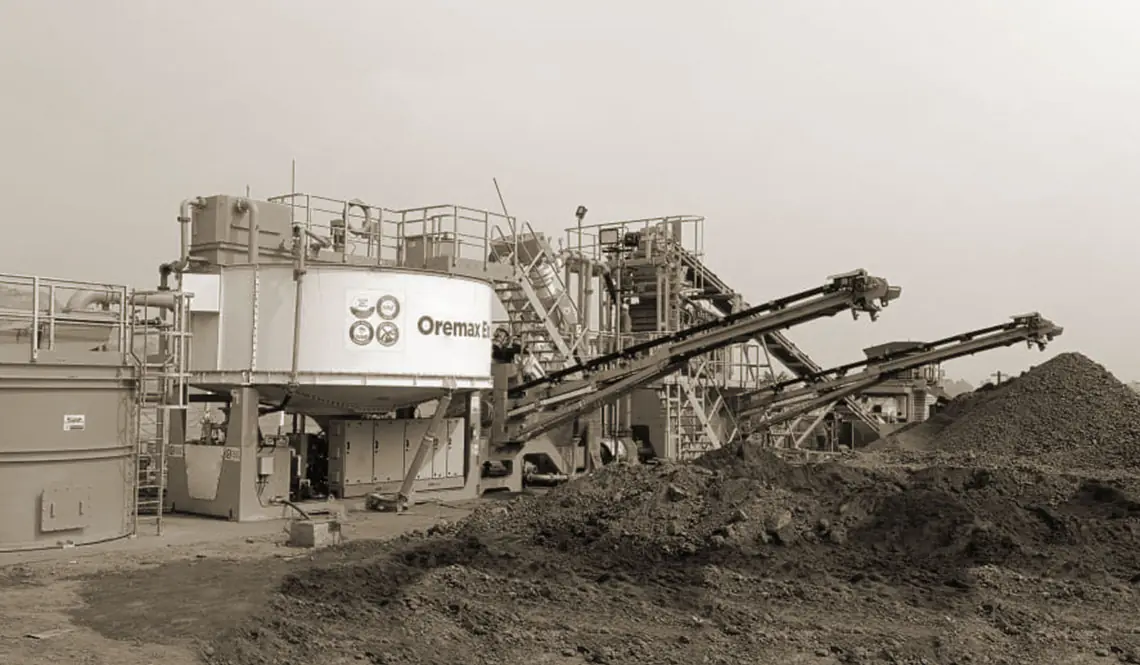
The Oremax modular wet processing range is CFlo's platform for chromite beneficiation, operating in the field at Vedanta FACOR and documented in a published case study. As a Next-Gen 'Super' System it is Super modular for fast deployment at the mine, Super smart with process control that holds concentrate quality while reducing water and power, and Super easy with app-guided installation and service.
The scrubbing stages behind the recovery
Coarse feed is worked in a Scrubmax twin shaft logwasher by stone-on-stone attrition, and the fine fraction goes through an Atropure attrition scrubber at high slurry density to shear off the film that gravity and magnetic separation would otherwise misread. Both are standard in the Oremax plant and available separately.
Real plants in this application
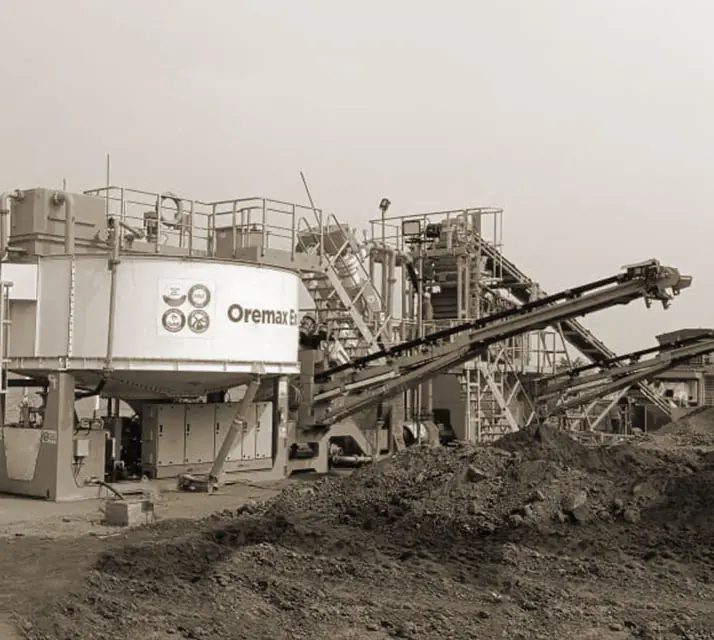
Machines behind these results: Oremax
Frequently asked questions
What is chromite ore?
Chromite is the only commercial source of chromium. It is an iron chromium oxide, so the iron is part of the mineral rather than a contaminant, which is why a chromite concentrate is always a chrome-and-iron product and the ratio between them shapes the alloy a smelter can make.
Why is chromium important?
Because it is what makes stainless steel stainless. Chromium in the alloy forms a thin, self-repairing oxide film that resists corrosion, and nothing cheap does the same job. Demand for chromite therefore follows stainless steel production rather than steel production generally.
What does beneficiation change about chromite ore?
It rejects the silicate host rock and the clay, raising the chrome content of what leaves the plant. Because the concentration stages separate on density, the grain surface has to be clean first: a coated particle reports the density of its coating rather than of the chromite, which is why scrubbing precedes concentration.
What is chromite ore used for?
Chromite is the ore of chromium and is predominantly used to make ferrochrome, an alloy of chrome and iron containing 50–70% chromium. Steel production is the largest consumer, above all stainless steel, which contains between 10% and 20% chromium, so chromite quality flows straight into alloy economics.
How is chromite ore concentrated?
After feed preparation, crushing, screening and grinding for size reduction, the concentration phase uses hydrocyclone technology and spirals to produce chrome concentrate. Wastewater from the process reports to tailings, where a filtration stage such as a filter press can be added to recover water and eliminate ponds.
How do you deal with clay in chromite ore?
With heavy-duty scrubbing. CFlo's Scrubmax logwasher breaks down and removes clay contamination from chromite ore through its paddle scrubbing action. Removing clay early benefits every downstream stage, from the hydrocyclones and spirals through to the grade of the final concentrate.
Can a chromite plant run with zero tailings?
The move to zero tailings is facilitated by a customised filter press in the tailings circuit. It dewaters process waste, reduces the volume needing disposal and eliminates tailings ponds, which also delivers a significant reduction in health and safety risks on site.
Why are fines removed before concentration?
Because the concentration stages separate on density. Slimes raise slurry viscosity and blanket the separation, so fine gangue is misplaced into the concentrate while fine chromite is lost to the tails. CFlo hydrocyclones deslime the feed first, so the separation acts on the chromite rather than on the fines carried with it.