
Beach Sand
Transforming raw sand into in-spec beach sand through advanced washing and classification.
PlatformsComboMicrograder
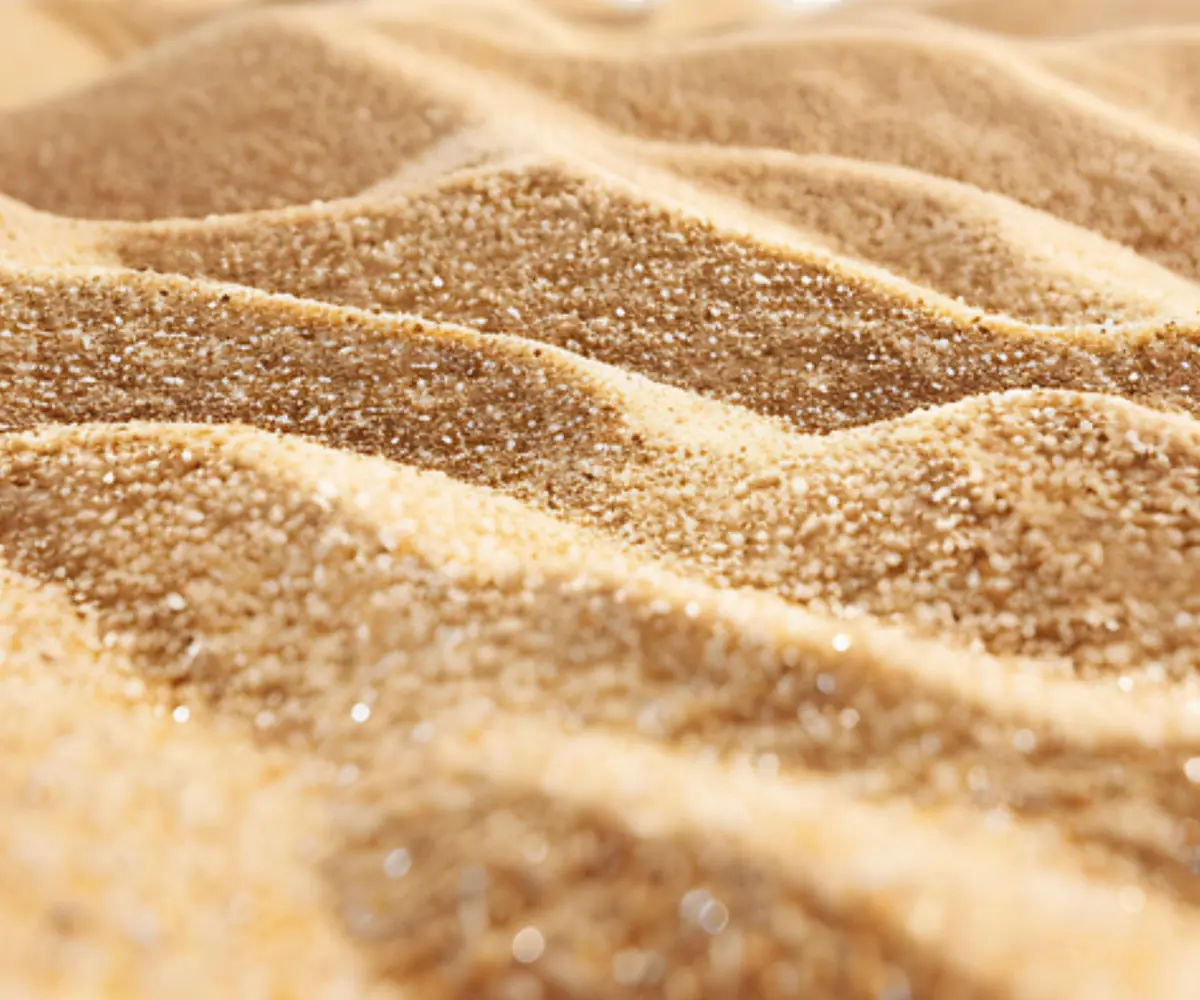
Beach sand processing transforms raw sand from land and sea into clean, in-spec sand for beach construction and nourishment. Washing removes broken shell, silt, clay and organic debris, while classification grades particles to the ideal 0.5–2 mm range. CFlo systems recycle up to 95% of process water and can be designed to wash with seawater.
What beach nourishment is
A beach loses sand to storms and currents faster than the sea replaces it. Nourishment is the practice of putting sand back, and it is engineering rather than landscaping, because the sand has to match the beach it is joining.
Grain size is the constraint that decides everything else. Sand finer than the native profile washes straight back out in the first heavy sea, so the work is undone and paid for twice. Sand much coarser changes the slope of the beach and the way it feels underfoot. That is why nourishment sand is specified rather than simply sourced, typically in the 0.5 to 2 mm range, and why it is washed and classified rather than dredged and dumped.
Why beaches need engineered sand
Raw sand from both land and sea carries broken shell, microscopic organisms, silt and other fine debris. As global beach erosion continues and new sea cities are built, the demand for nourishing existing beaches and constructing new, high-quality ones keeps increasing. Washing and classification systems play a crucial role in turning raw sand, from both land and sea, into clean, in-spec beach sand.
What washing and classification deliver
- Removal of impurities: raw sand often contains silt, clay and organic matter that damage the aesthetic and structural quality of a beach. Washing removes these unwanted materials
- Proper sizing: classification ensures uniform particle size, crucial for stability and the feel of the beach. Sand with particle sizes from 0.5 to 2 mm is ideal for beach applications
- Enhanced aesthetics: clean, well-sized sand makes the beach more attractive for tourist spots, hotels and resorts, and helps prevent erosion over time
- Environmental sustainability: recycling sand from land and sea sources reduces the need for new sand extraction
The typical process
- Initial screening: raw sand is screened to remove large debris and unwanted materials
- High-pressure jets: water jets wash the sand, removing coarse impurities
- Jet attrition scrubbing: mechanical scrubbing ensures thorough removal of contaminants
- Classification: silt and clay are removed, then sand is classified into sizes using hydrocyclones and screening equipment
- Water recycling: up to 95% of the process water is recycled, and the system can be designed to wash with seawater
Water and sustainability
CFlo systems recycle up to 95% of process water, and washing circuits can be configured to run on seawater where fresh water is scarce. By upgrading sand recovered from land and sea sources, the plants reduce the need for new extraction and minimise environmental impact. The related CFlo platforms are the Combo all-in-one washing system for the washing and dewatering duty, and the Micrograder where the grading tolerance is tighter.
The equipment behind the grading
Beach sand is graded fine, and the two stages that decide whether it meets a specification are the top of the gradation and the mid-range cut. Screenmax FS86 High Precision Fines Screens hold the top and dewater the product on the same deck. The Vertimax upward flow classifier holds the mid-range split by settling velocity, and because it separates on density as well as size it also floats shell fragments, lignite and organic matter off the top. Both are built into the Micrograder plant and are also supplied on their own.
Heavy minerals in beach sand
Where a beach or dune deposit carries ilmenite, rutile, zircon, garnet or monazite, the sand is worth more as a mineral concentrate than as construction sand. That is a gravity problem rather than a washing one, and it is covered on the heavy mineral sands and rare earths page.
Frequently asked questions
What is beach nourishment?
Beach nourishment is replacing sand a beach has lost to erosion. It is an engineering exercise rather than a landscaping one, because the replacement sand has to be compatible with the beach receiving it, in grain size above all.
Why can any sand not be used on a beach?
Because grain size decides whether it stays. Sand finer than the native beach washes back out in the first heavy sea, so the work has to be paid for twice. Much coarser sand changes the beach's slope and the way it feels underfoot. Nourishment sand is therefore specified, typically 0.5 to 2 mm, and washed and classified to hold that grading.
What particle size is ideal for beach sand?
Sand with particle sizes ranging from 0.5 to 2 mm is ideal for beach applications. Uniform sizing within this range is crucial for beach stability, a comfortable and safe surface for visitors, and the overall look and feel that tourist destinations, hotels and resorts demand.
Can seawater be used to wash beach sand?
Yes. CFlo washing and classification systems can be designed to allow the use of seawater for washing, which matters on coastal projects where fresh water is scarce. On top of that, the systems recycle up to 95% of the process water, keeping overall water consumption low.
What impurities does beach sand washing remove?
Raw sand carries broken shell particles, microscopic organisms, silt, clay and organic matter. Screening removes large debris, high-pressure jets and jet attrition scrubbing strip contaminants from the grains, and hydrocyclone classification removes silt and clay, leaving clean, visually appealing, structurally sound beach sand.
Can dredged or marine sand be used for beach nourishment?
Yes. CFlo systems transform raw sand from both land and sea sources into clean, in-spec beach sand. Washing and classification bring variable dredged feeds up to specification, which reduces the need for new sand extraction and supports beach nourishment and new beach construction sustainably.
How much water does a beach sand washing plant recycle?
Up to 95% of the process water is recycled within the CFlo system. Combined with the option to wash using seawater, this makes the plants suitable for coastal locations where water supply is constrained and environmental conditions on discharge are strict.