
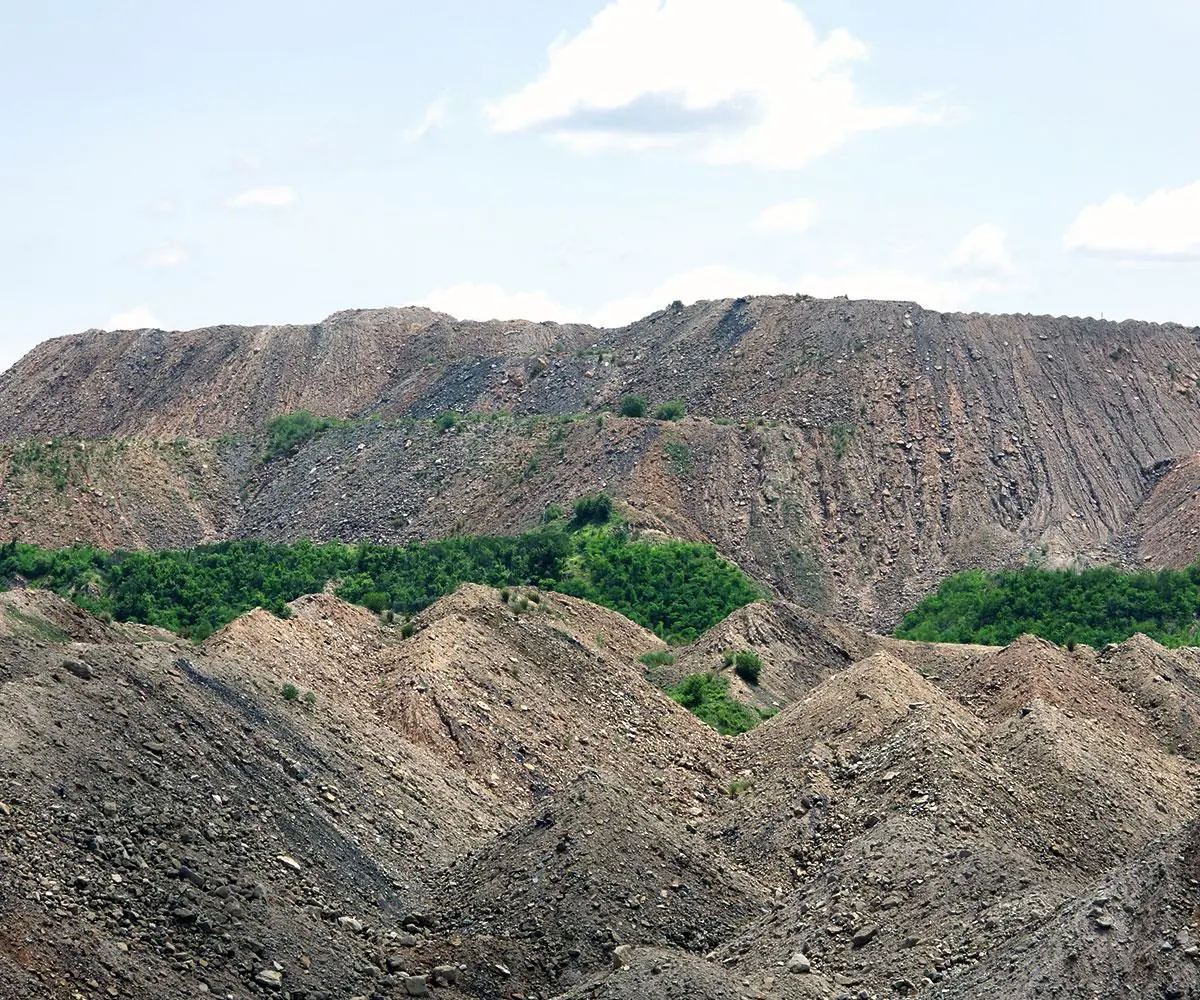
Overburden (OB) is the rock or soil layer removed to access the ore being mined; unlike tailings, it contains no toxic components. Where OB consists of weathered sandstone or its sludge, CFlo plants recover sand by washing the overburden and separating particles through sedimentation and decantation, producing recycled sand and aggregates for construction.
What is overburden?
During any mining operation, the rock or soil layer that must be removed to access the ore being mined, and which does not contain toxic components, unlike tailings, is called overburden. It is also referred to as spoil or waste.
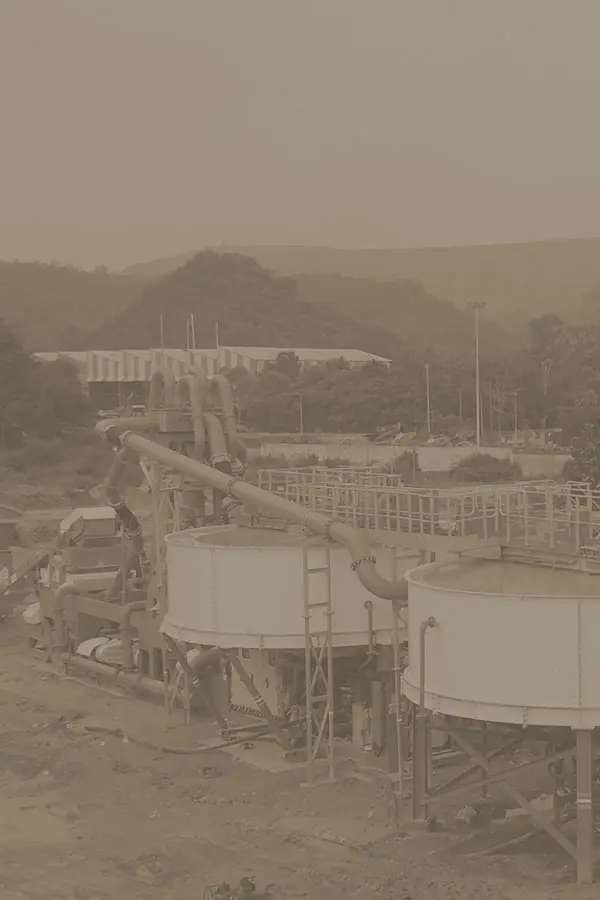
Overburden, quarry by-products, waste rock: one stockpile, several names
What a mine calls overburden a quarry usually calls a by-product. The vocabulary follows the operation rather than the material: overburden or OB at a mine, quarry by-products, quarry waste or scalpings at a quarry, waste rock or spoil on a civils job.
In each case it is the same commercial problem. Material has to be stripped and moved to reach what is being sold, it has no market of its own, and it accumulates as a dump that occupies land, costs money to maintain and carries the risks set out below. Where that material is weathered sandstone or a similar soft rock, washing recovers saleable sand and aggregate from it, and everything on this page applies whichever name your operation uses for it.
One thing this is not is tailings. Tailings are what remains after the ore has been chemically processed and can carry residues that need containment. Overburden and quarry by-products are simply the wrong rock in the way, which is why they can be washed into a construction product.
Proven on real dumps
This is not a theoretical application. CFlo has taken overburden and quarry by-products into sand on live sites:
-
NLC India, Neyveli, an OB-to-sand plant with one of India's largest public-sector miners, turning lignite mine overburden into manufactured sand for construction.
-
Coal mining overburden, where the material stripped to reach the seam becomes a saleable construction product instead of a dump that has to be maintained.
-
Kumar Cargo Solutions in Madhya Pradesh, documented end to end as a case study.
The hazards of overburden dumps
Along with occupying huge land areas, overburden dumps pose a serious threat to nearby areas, impacting flora and fauna. The dumps are not stable: they create cracks and collect rainwater, presenting a risk of flooding and mass erosion to surrounding areas.
People living near these dumps often use the land for agriculture and farmland. Land used as pasture and for agriculture shows high concentrations of nickel and chromium in locations close to certain kinds of mines, and heavy metals are believed to have already entered the food chain due to the overburden menace. The consequences are felt in the health and social life of inhabitants, and may pass on to future generations.
Recycling overburden into sand
Depending on the nature of the mine, overburden can consist of materials such as weathered sandstone or its sludge. Sand particles are recovered by washing the overburden and separating them through sedimentation and decantation. The recycled sand and aggregates then serve a range of construction applications.
The processing phases
Each plant CFlo designs includes a combination of processing phases matched to your specific requirements:
- Feeding and pre-screening
- Metal removal
- Aggregate scrubbing
- Contaminant removal
- Sand washing
- Aggregate sizing
- Primary stage water treatment
- Sludge management
Which plant depends on the feed
No two dumps are the same, so the platform is chosen from what the material actually is rather than from what the pile is called.
- Combo where the overburden is essentially rock and sand: weathered sandstone, crushed waste rock or quarry by-products that need washing, grading and dewatering to reach a sand specification, as at NCL Singrauli, documented in the Kumar Cargo Solutions case study.
- Reurban where the feed is variable or contaminated: clay-bound and sticky, or carrying metal, timber and plastics that have to be scrubbed loose and taken out before anything can be graded, as on the lignite overburden at NLC India, Neyveli.
Either way the water recovery and sludge handling behind the plant are the same, and a testwork programme on your own sample is what settles which platform, and at what cut points.
Scalping the dump
Overburden and quarry by-products come off a dump as they were tipped: mixed, with boulders, root matter and whatever else went over the edge with them. Before any of it can be turned into sand it has to be scalped.
The Strato Series scalping screener does that at the front of the plant. Raw material is loaded straight into a Hardox-lined hopper, metered onto a heavy-duty dual-deck screen by a variable-speed feeder, and split so that only material the wash plant was designed for goes forward. Punch plate and Bofor bar media handle the coarse, aggressive end of that duty. The machine is all-electric, so a remote dump does not need a diesel supply chain to work it.
NLC India, Neyveli: 100 tph of overburden into sand
Real plants in this application
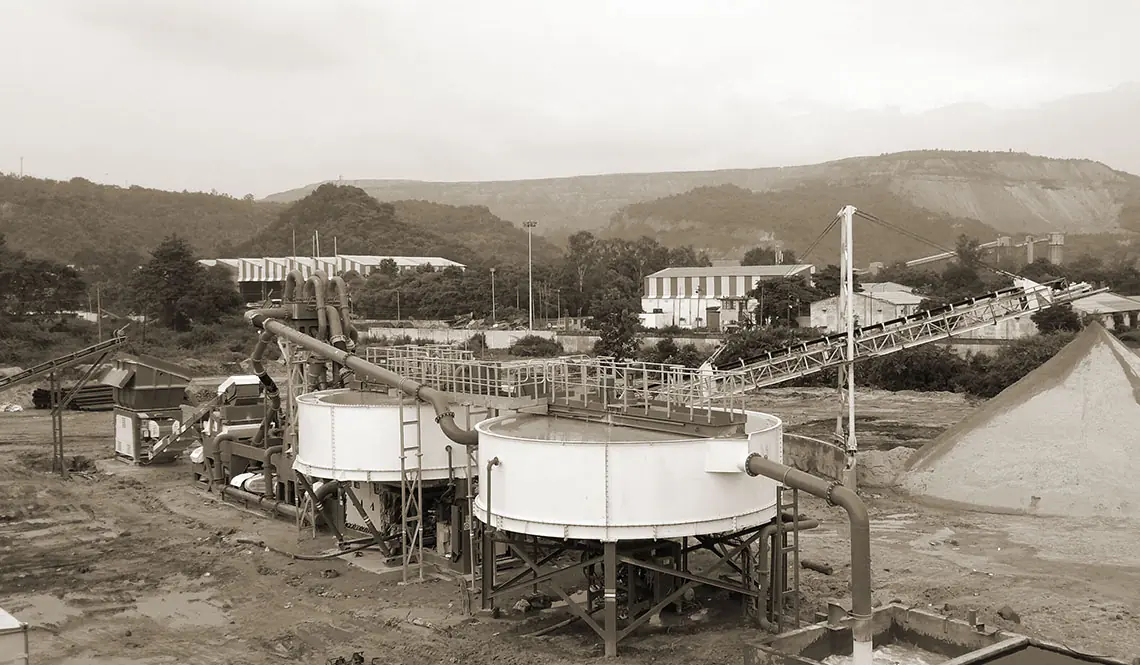
Machines behind these results: Combo
Frequently asked questions
What is mining overburden?
Overburden, also called spoil or waste, is the rock or soil layer removed during mining to access the ore beneath. Unlike tailings, it does not contain toxic process components, which is exactly why it can be recycled into construction sand rather than left in waste dumps.
Are quarry by-products the same thing as overburden?
In commercial terms, yes. A quarry stripping material to reach saleable stone calls it a by-product or quarry waste; a mine stripping material to reach ore calls it overburden. Both are the same problem, uneconomic material that has to be moved and stockpiled, and both are treated the same way here. Tailings are the exception: those are post-processing residues and a different question entirely.
Can overburden really be converted into sand?
Yes, where the overburden consists of materials such as weathered sandstone or its sludge. CFlo plants wash the overburden and recover sand particles through sedimentation and decantation. The recycled sand and aggregates have a range of uses across construction applications.
Why are overburden dumps a problem?
They occupy huge land areas and threaten surrounding flora and fauna. The dumps are unstable, crack and collect rainwater, creating flooding and mass erosion risks. Near certain mines, pasture and farmland show high nickel and chromium concentrations, and heavy metals are believed to have entered the food chain.
What processing stages does an OB-to-sand plant include?
Each CFlo plant combines phases to suit the feed: feeding and pre-screening, metal removal, aggregate scrubbing, contaminant removal, sand washing, aggregate sizing, primary stage water treatment and sludge management. The exact configuration depends on the nature of your overburden and product requirements.
What can recycled overburden sand be used for?
The recycled sand and aggregates recovered from overburden washing serve a variety of construction applications. For mine operators, this converts a liability that occupies land and creates environmental risk into a saleable product, while reducing pressure on natural sand sources.