
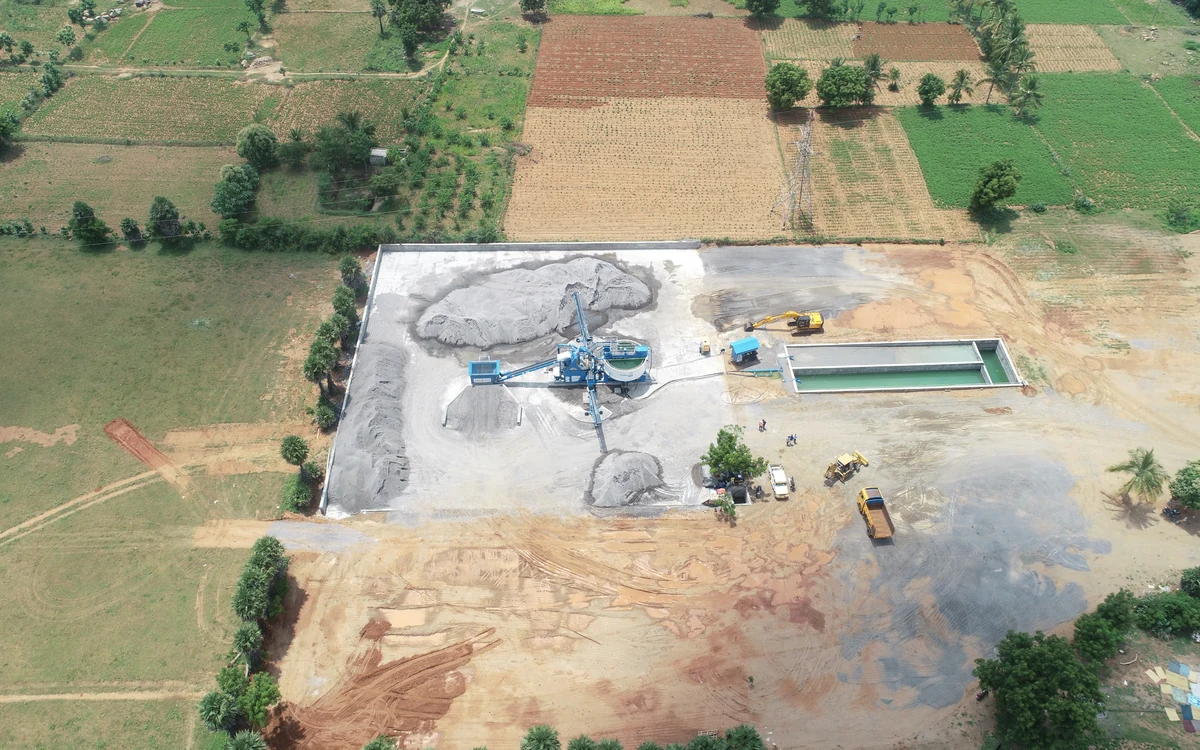
Easysettle Sludge Bay Manager
The second half of closing the loop: what to do with the sludge once the water is out of it.
Easysettle treats sludge at the moment it is discharged. Polymer is metered into the sludge line and blended in transit, so the slurry rigidifies as it lands in the bay and releases clear water immediately rather than over weeks. The water is pumped straight back to the wash plant and what remains dries to a trafficable cake in around 48 hours. It is built into every CFlo flagship plant and is also supplied on its own.
A thickener only solves half the problem
A Hydromax recovers your process water. What it hands you back is thickened sludge, and if that goes to a pond you have moved the problem rather than solved it.
A pond loses water to evaporation and seepage, so you keep buying fresh make-up. It occupies ground that could hold reserves or stockpiles, and the footprint grows rather than shrinks. It has to be dug out by excavator and dumper, which is operator hours and machine hours indefinitely. And after heavy rain it overflows, which turns a housekeeping question into a compliance one.
The alternative most people reach for is a filter press. That is a real answer for some sites, and CFlo supplies presses where a site needs one. It also brings civil foundations, a building, regular maintenance and manual cake handling, and when it stops the plant in front of it stops too.
Easysettle is the third option: treat the sludge at the point of disposal and let the bay do the work.
Industries this plant serves
How it works
The system sits between the thickener and the bay, and there are five steps.
- Sludge discharge. Thickened sludge leaves the Hydromax through a slurry pump and a high-pressure flexible feed pipe.
- Polymer dosing. A Polydex unit mixes and ages polymer in an agitated tank and meters it into the sludge line through a rotameter, so the dose is set rather than guessed.
- Inline mixing. A static mixer on the pipeline blends polymer and sludge thoroughly while they are in transit to the bay. The reaction happens on the way, not after arrival.
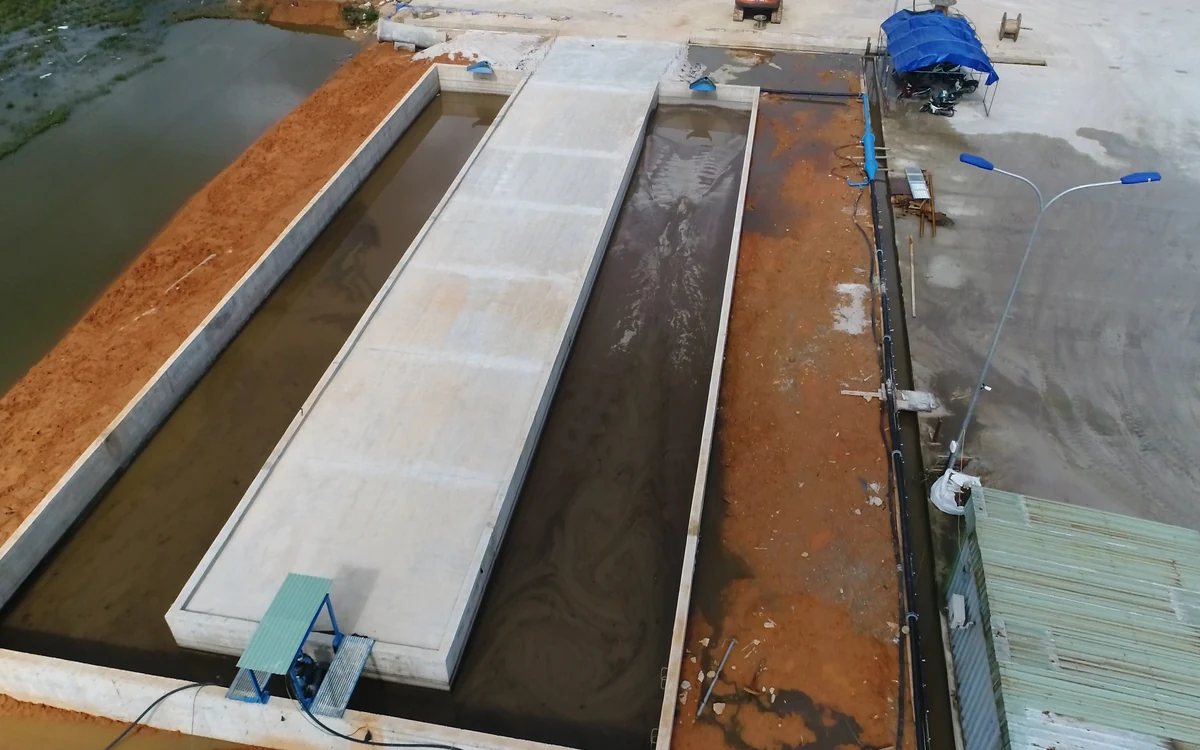
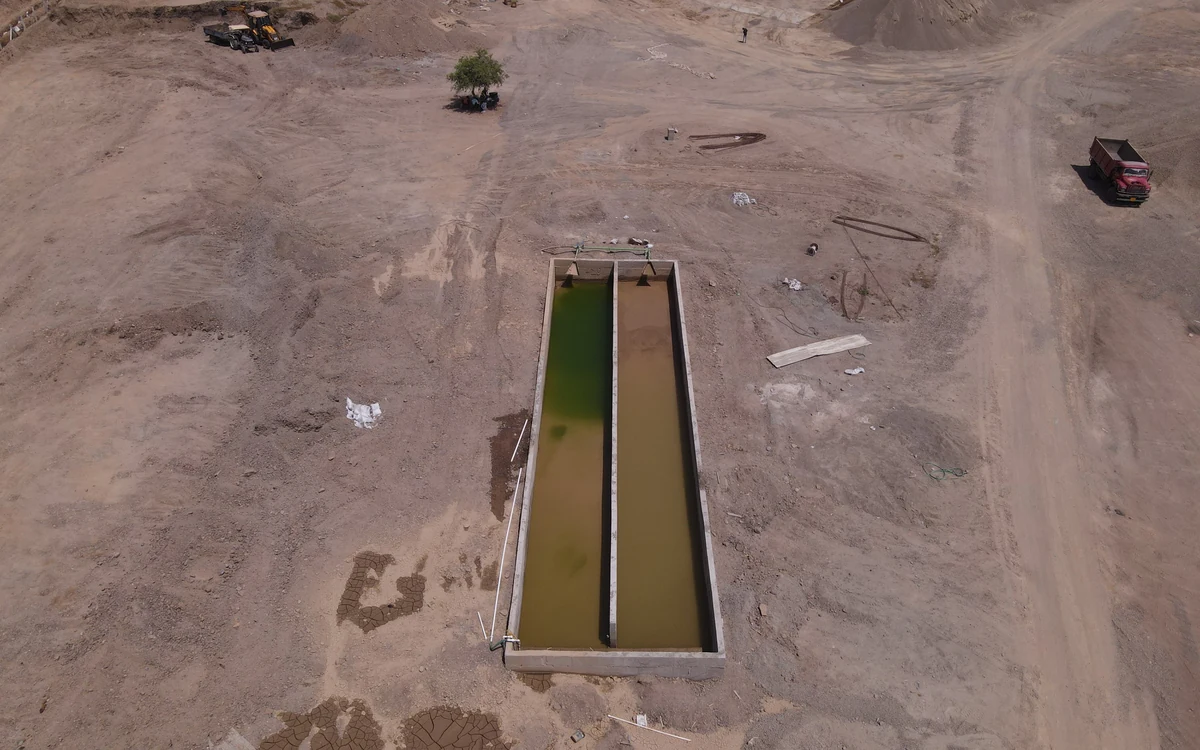
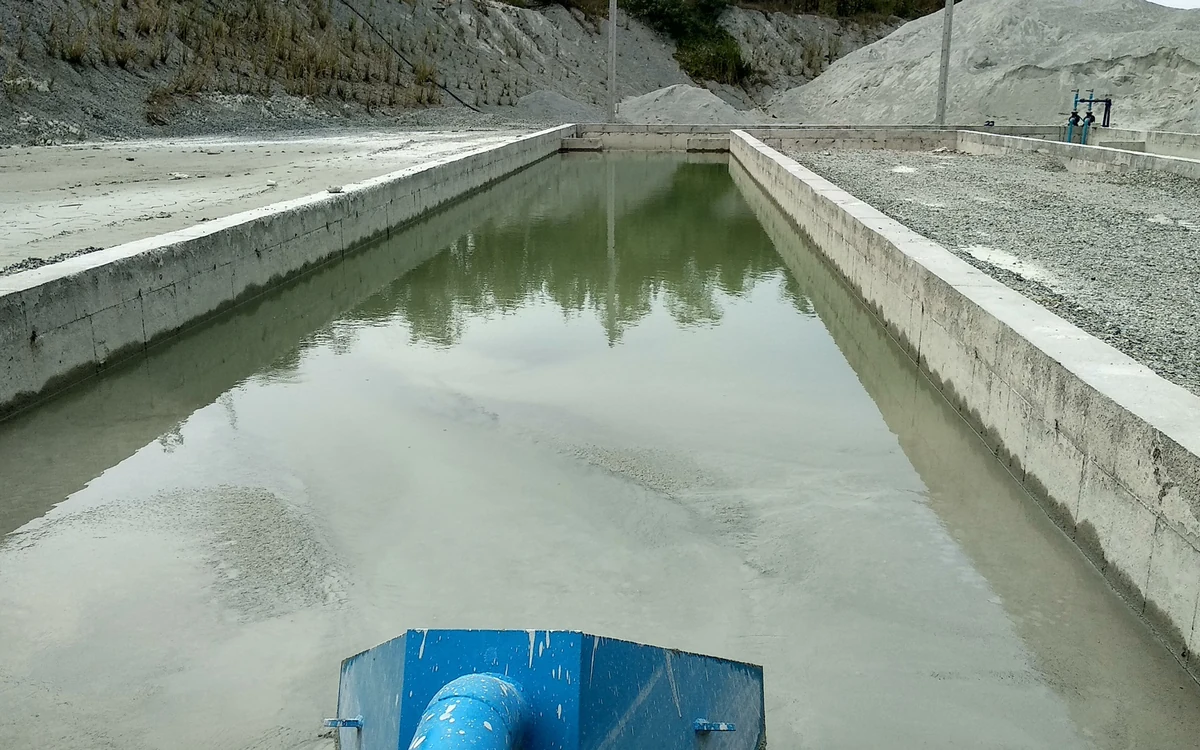
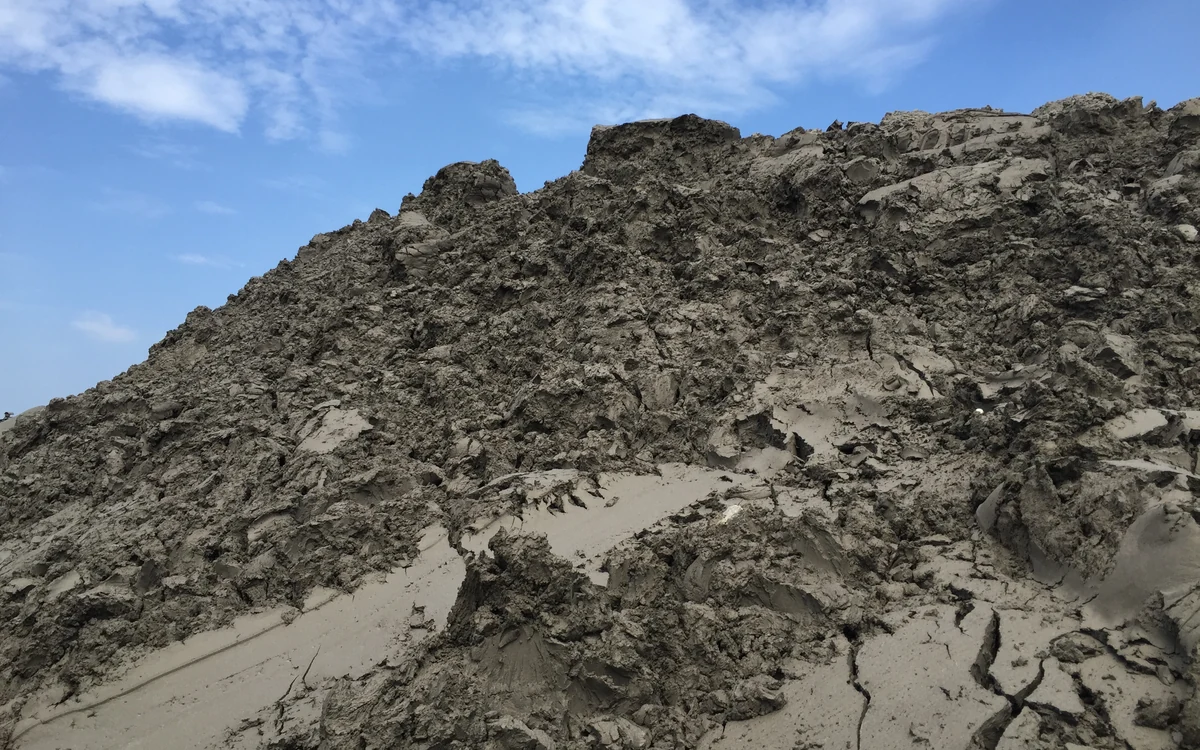
- Deposition. The treated slurry enters the bay and rigidifies as it lands. The polymer binds the solids and clear water separates out of the mass immediately.
- Water recovery. That clear water is pumped from the recovery bay back to the wash plant, which is what closes the loop and gives a zero discharge circuit.
The whole sequence runs on a PLC. There is no manual cake handling and no operator standing over it.
What "cake ready" means
The sludge is trafficable in about 48 hours at 20 to 30% moisture. Trafficable is the word that matters: it is firm enough to drive an excavator onto and load out, rather than a mass that has to be left for a season and then dug wet.
That is a lower dryness than a filter press produces, and for most quarry and mine sites it is also all that is needed, because the cake is going to a stockpile, a backfill or a bay rather than into a bag. Where a site genuinely needs a low moisture specification, or has to truck the cake, a press is the right machine and we will say so.
Because the bay is open, it also collects rainwater rather than shedding it, which on a monsoon site is water you would otherwise be paying to replace.
What is supplied
Easysettle is a turnkey package rather than a dosing pump.
- Polydex dosing unit, fully automatic, with agitators and rotameter for precise flow control
- PLC control panel, pre-wired for plug-and-play deployment, with no separate building needed
- Inline mixer assembly on the slurry pipeline
- Field piping, valves and instrumentation to integrate the system
- First-fill polymer, 100 to 200 kg, for commissioning and site demonstration
- O&M documentation, commissioning spares and maintenance tools
The unit is skid mounted with its own enclosure, so the civil work is the bay itself rather than a foundation and a structure for the equipment.
Polymer and dosage
The polymer is a flocculant, and CFlo supplies Ecoblu for it, with a 24 month shelf life.
Dose is set by the material. Crusher dust and manufactured sand slurries typically take more polymer per tonne of sludge than iron ore does, because the fines are finer and there are more of them. Actual consumption moves with site conditions, which is why we recommend testwork on your own slurry before deployment rather than sizing from a table.
Beyond wet processing
Easysettle is a dewatering process, so it is not limited to plant tailings. It handles the same duty on wastewater and sludge projects wherever there is room for bays and no requirement for a very low cake moisture.
Model range
| Parameter | ES25 | ES40 |
|---|---|---|
| Type | Flocculant based | Flocculant based |
| Dry solids treated | 5–11 tph | 20–30 tph |
| Typical feed size | Below 100 microns | Below 100 microns |
| Application | Sand slurry, iron ore | Sand slurry, iron ore |
| Power requirement | 7–9 kW | 9–12 kW |
| Water requirement (potable) | ~4 m³/hr | ~5 m³/hr |
| Polymer | Ecoblu | Ecoblu |
Sizing follows the dry solids you actually generate, which is a function of your feed tonnage and its fines content rather than of the plant's nameplate.
Where it works
Proven on iron ore, coal, alumina, mineral sands, gold, copper and manufactured sand. It is standard in the Combo, Reurban, Micrograder and Oremax ranges, and the whole water and tailings circuit is engineered as one thing rather than assembled from parts. It is also supplied on its own, to close the loop on a plant you already run.
See it in action
In pictures
Frequently asked questions
What is a sludge bay manager?
A system that treats sludge as it is discharged rather than after it has settled. Polymer is dosed into the sludge line and mixed in transit, so the material rigidifies on arrival in the bay and gives its water up at once instead of over weeks in a pond.
How is this different from a thickener?
A thickener recovers the water from the slurry and produces a pumpable sludge. Easysettle deals with that sludge. They are two halves of one job, which is why both are built into a CFlo plant as standard rather than sold as options.
Easysettle or a filter press?
Easysettle suits sites with room for bays and no requirement for a very low cake moisture, which is most quarry and mine sites. A press suits constrained sites, cake that must be trucked, or a moisture specification you have to hit. CFlo supplies presses through industry partners where that is the right answer, and will tell you when it is.
How much polymer does it use?
It depends on the material: finer, more plentiful fines take more. We run testwork on your slurry than quote you a figure that turns out not to apply, and the package includes 100 to 200 kg of first-fill polymer so the first demonstration is on us.
Does it need civil works?
A bay, and that is essentially it. The equipment is skid mounted in its own enclosure with a pre-wired panel, so there is no foundation and no building to put up for it.
Can it be retrofitted?
Yes. It is supplied as a standalone system and is designed to be inserted between an existing thickener and an existing bay.