
Placer and Alluvial Gold Mining Solutions
Efficient, sustainable washing circuits that maximise recovery of placer and alluvial gold.
PlatformsMicrograder
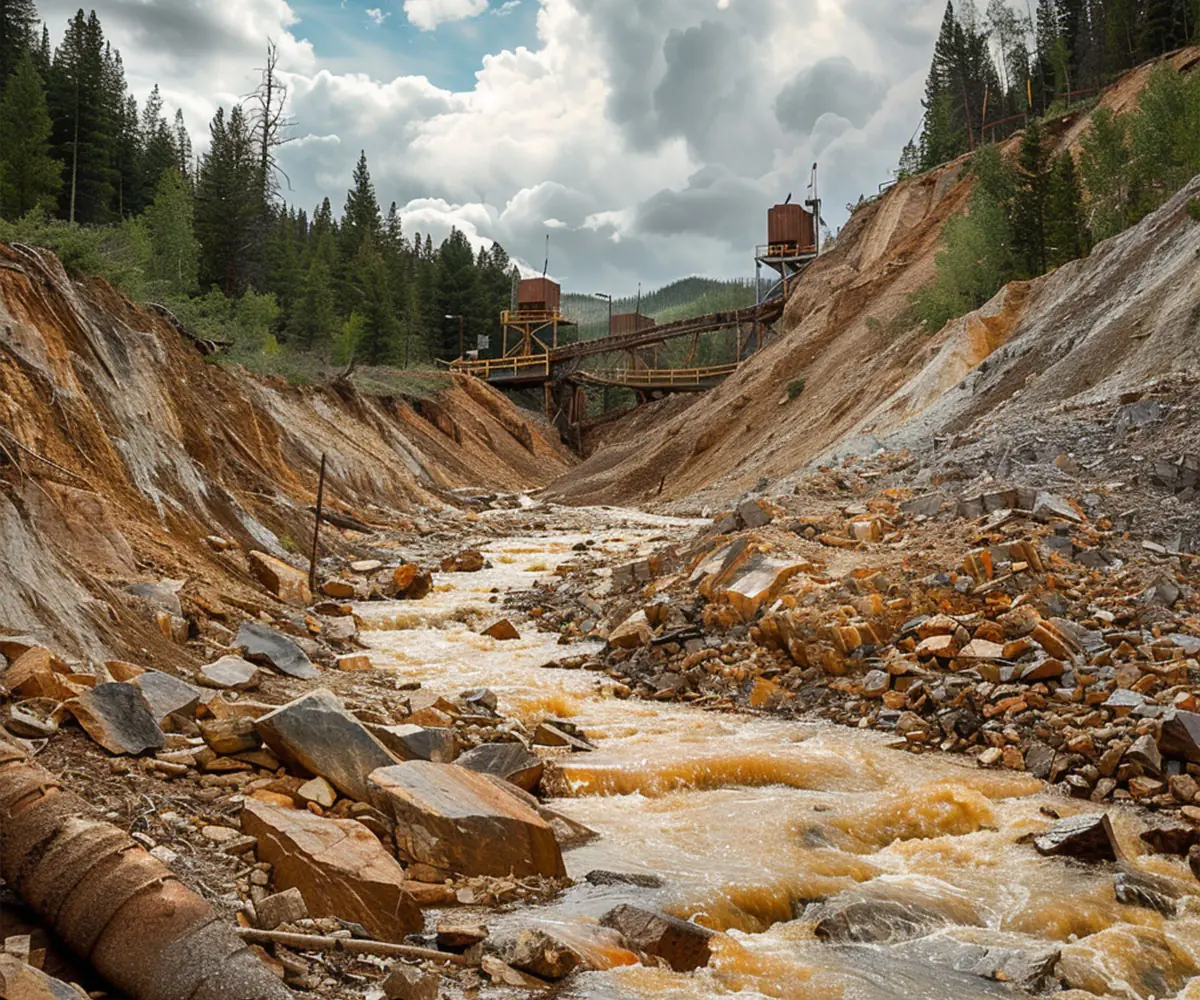
Placer and alluvial gold mining recovers gold naturally concentrated by water and erosion in riverbeds, beach sands and sedimentary deposits. CFlo circuits combine Strato scalping, Centriscreen wet sizing, Centrimax cyclones, Atropure attrition scrubbing and multi-stage jigging to maximise gold recovery, with the sand reject converted into a usable by-product by the Micrograder.
Placer and alluvial gold
Placer gold is found in sedimentary deposits such as alluvial sources, beach sands and other geological formations, naturally concentrated by water and erosion. Alluvial gold, typically found beneath riverbeds and stream beds, takes the form of fine dust, thin flakes or occasional nuggets. CFlo's technologies are designed to ensure maximum gold recovery while minimising environmental disruption.
Placer or alluvial: the difference
The two words are often used interchangeably and they are not quite the same. Placer is the general term: any deposit where gold has been freed from its host rock by weathering and then concentrated by moving water, which includes beach sands and ancient buried channels as well as rivers. Alluvial is the subset carried and deposited by a river or stream, and it is the one most operations mean. All alluvial gold is placer gold; not all placer gold is alluvial.
Why gravity works on gold
Gold is recoverable from sand by density alone, and the reason is a gap wider than almost anywhere else in mineral processing. Gold has a specific gravity of about 19.3. The quartz sand it sits in is about 2.65. It is seven times heavier than everything around it.
That is what a jig exploits, and it is why a placer circuit needs no chemistry: the separation is physical, so gold can be recovered without mercury or cyanide. The work is in presentation rather than separation. Gold locked inside a clay ball behaves like clay, not like gold, which is why scalping and attrition scrubbing come first: they liberate the particle so the density difference can do its job.
A lower-impact way to mine gold
Compared to underground mining, placer and alluvial gold mining is widely recognised as one of the most eco-friendly methods, thanks to its reduced environmental footprint and lower energy requirements. By leveraging the natural forces of water to concentrate gold, CFlo provides sustainable approaches that preserve both the ecosystem and the economic value of these deposits.
Scalping and wet sizing
Riverbed material is fed by excavator onto the Strato portable scalping screener, which removes oversized particles (+20 mm) that would interfere with further processing. The minus 20 mm material passes to the Centriscreen wet sizing screen, which removes plus 5 mm material, ensuring only finer material continues through the circuit and maximising the potential for gold recovery.
Attrition scrubbing
The minus 5 mm material is routed to the Centrimax cyclone, which controls slurry concentration by separating excess water from solids. The concentrated underflow feeds the Atropure heavy-duty attrition scrubber, where particles are scrubbed to remove clays and other impurities. This step enhances gold liberation, making the gold easier to recover in the concentration phases.
Pre-concentration and sand recovery
After attrition, the scrubbed material enters a multi-stage jigging circuit for pre-concentration. Jigs separate heavier gold particles from lighter materials by exploiting density differences. The jig reject, primarily sand, is processed by the Micrograder, which classifies and dewaters it into sand that is a usable by-product rather than waste.
Frequently asked questions
What is placer gold?
Placer gold is gold that has been freed from its host rock by weathering and concentrated by moving water into a sedimentary deposit. It is recovered by washing and gravity separation rather than by hard-rock mining and milling.
What is the difference between placer and alluvial gold?
Placer is the general term for any water-concentrated deposit, including beach sands and buried channels. Alluvial is the subset laid down by a river or stream. All alluvial gold is placer gold, but not all placer gold is alluvial.
Why can gold be recovered by gravity alone?
Because of the density gap. Gold has a specific gravity of about 19.3 against roughly 2.65 for the quartz sand around it, so it is around seven times heavier than its surroundings. A jig separates on that difference, which means the circuit needs no mercury or cyanide. The difficulty is liberation rather than separation: gold trapped in a clay ball behaves like clay, so scrubbing comes before jigging.
What equipment does an alluvial gold washing plant use?
A CFlo circuit runs a Strato portable scalping screener, Centriscreen wet sizing screen, Centrimax cyclone for slurry density control, Atropure heavy-duty attrition scrubber and a multi-stage jigging circuit, with the Micrograder classifying and dewatering the sand reject into a saleable by-product.
How does attrition scrubbing improve gold recovery?
The Atropure scrubber removes clays and other impurities coating the particles, which enhances gold liberation. Liberated gold responds far better in the jigging circuit, where density differences separate heavy gold from lighter material, so scrubbing directly lifts recovery in the concentration phases.
What feed sizes does the circuit handle?
The Strato scalping screener removes oversized particles above 20 mm at the front of the plant. The Centriscreen wet sizing screen then removes plus 5 mm material, so the gold recovery stages work on minus 5 mm feed, where fine placer gold is concentrated.
What happens to the sand rejected by the jigs?
The jig reject consists primarily of sand and is processed by the Micrograder, which classifies and dewaters it into construction-grade sand as a usable by-product. That turns what would be a waste stream into a second revenue line alongside the gold.
Is placer and alluvial gold mining environmentally sustainable?
Compared to underground mining, it is widely recognised as one of the most eco-friendly methods, with a reduced environmental footprint and lower energy requirements. CFlo circuits leverage the natural water-driven concentration of gold and are designed to minimise environmental disruption while maximising recovery.