
Sand and Aggregate Washing Plants for New Zealand
Concrete sand and clean aggregate from the feeds New Zealand quarries have, with the process water recovered.
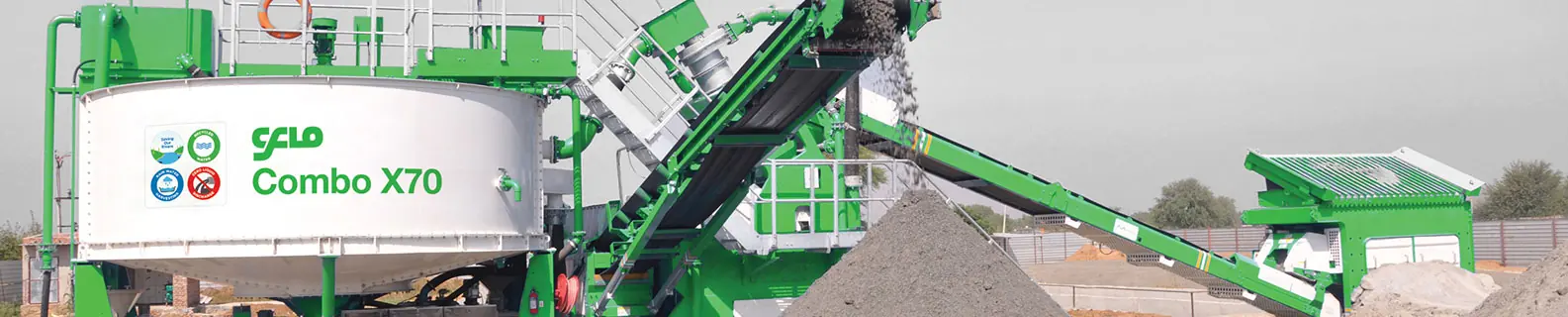
CFlo builds modular wet processing plants for the feeds New Zealand quarries have. The Combo washes as-dug river gravel and crushed rock fines into concrete sand and clean graded aggregate at up to 350 tonnes per hour on one chassis, the Micrograder grades fine sand to a tested specification, and both recycle up to 95% of their process water with no liquid discharge. The reference plants on this page are in India, Vietnam, Malaysia, Indonesia and the Gulf, and the nearest project is the Micrograder in manufacture for Darwin. Plants are built to Australian and New Zealand standards and supplied through an Australian Certified Partner, with delivery managed from Belfast and engineering and manufacture in Kolkata, and every project begins with a Sample Study on the operator's own material.
The feeds a New Zealand quarry has
New Zealand aggregate comes from three kinds of source, and each arrives at the plant with a different problem in it.
River and alluvial gravel is dug as one mixed feed: sand, gravel, silt, clay and whatever organic matter the river laid down with it. The gravel has to be split into the sizes the market buys, the sand brought inside a grading envelope, and the silt and clay taken out under control rather than left to wash through into the product.
Hard rock quarries crushing greywacke and other sandstone make aggregate, and they make fines. The fines carry an ultrafine fraction the crusher produces anyway, and it is that fraction, below 75 microns, that concrete aggregate standards hold to a few percent. Unwashed, the fines are sold cheaply or stockpiled. Washed, they can be a concrete sand made where the demand is, from rock already drilled, blasted and crushed.
Coastal and dune sand is the third source. It is typically fine and close to a single size, so the job is more often grading than scrubbing, and the question is which specification market the graded product can reach.
Whichever the feed, the plant has one purpose: take the dirt and the ultrafines out, hold each product inside its band, and lose neither the fine sand nor the water while doing it.
Combo: as-dug gravel and crushed fines with clay and silt through them
The Combo is a modular washing plant that puts feeding, washing, screening, classification, dewatering, water recovery and stockpiling on one chassis. Nine models cover the range up to 350 tonnes per hour on a single chassis, in single-wash and dual-wash variants, and capacity beyond that comes from combining units rather than moving to a larger machine.
The feed hopper's integrated belt feeder meters material to the process. The silt cut point is set by the operator rather than by wherever the water takes it, which is the difference between a sand that sits inside a concrete grading envelope and one that merely looks clean. The Centriscreen dewatering and sizing system sends washed sand to the stockpile ready for market straight from the belts, and wing stockpiling conveyors controlled by a hydraulic cylinder let one plant send two sand products to two stockpiles at once, so a site can sell a concrete sand and a finer grade from the same feed. The gravel is washed and split into its size fractions on the screens.
Where the clay is plastic and bonded to the stone, a spray bar will not remove it. The Scrubmax twin shaft logwasher does, by holding the material in a water bath and driving it against itself so the scrubbing is stone on stone; lightweight organics float over the discharge weir instead of ending up in the concrete sand, and an adjustable weir sets retention time so a deposit whose clay content changes across the pit is handled by changing that rather than by accepting a worse product on the difficult days. Ahead of it, a Strato Series scalping screener takes oversize and tramp material out so the wash plant receives a controlled feed, with finger screen media where the deposit is wet and sticky. Both are process modules that are fitted where the feed calls for them; the Sample Study decides whether yours does.
The record on difficult natural feeds is measured rather than claimed. At Subang in West Java, a Combo Alpha turns pit sand carrying up to 25% below 75 microns and sticky clay-bound fines into ASTM C33 washed sand at 100–120 tonnes per hour, recovering up to 95% of its process water so fresh make-up is 16–19 cubic metres an hour; it has processed more than 1.5 million tonnes over 15,000 operating hours, and all three output streams, washed sand, washed aggregate and the clay sludge, are sold. At Fujairah, a Combo Mega E5 washes minus 10 mm limestone rejects with high clay and silt into construction sand and a 5–10 mm product, recycling 95% of its water.
On crusher fines the reference is the same machine on the same duty. YTL Cement runs two Combo X70 plants at its Batu Tiga Quarry near Kuala Lumpur, converting 0–5 mm crusher dust into 70 tonnes per hour of graded concrete sand with a cut point at 75 microns and 95% water recycling. In Tamil Nadu, a Combo X150 processes 150–180 tonnes per hour of crushed stone dust into plaster and concrete sand, lifting output 25–30% and cutting operating cost by about 20% against the previous method, with one plant past 26,000 operating hours. GR Infraprojects runs a fleet of eleven Combos across its highway packages, relocating each in about ten days, and reports saving 20–25 kg of cement in M45 concrete against natural sand. See also sand and gravel washing and manufactured sand.
Micrograder: fine sand graded to a specification
A wash plant is judged on how clean the product is. The Micrograder is judged on whether the product falls inside a tested band: the grading, the fines, and where it matters the silica content and iron level. Attrition scrubbing removes the surface coatings that carry iron and clay, precision rinsing screens and upward-flow classification place the cut points exactly, spiral gravity concentrators take out heavy contaminant minerals, and dewatering delivers the product at a moisture the next process will accept. Hydromax water recycling is built in.
That is the platform for a fine coastal or dune sand heading into a specification market: filtration media graded to a defined size range, sports turf and horticultural sand, glass sand, foundry sand. A wash plant cleans a sand; it cannot coarsen it. Where a fine sand is short of coarse fractions for concrete, the Sample Study tests the washed sand in concrete, so the answer is a mix result rather than a grading curve.
The plant holds narrow bands in service. At Bharuch in Gujarat a Micrograder BT100 produces 100 tonnes per hour of AFS 50 to 55 foundry sand with zero liquid discharge, with coarse and fine construction sand as by-products. At Chu Lai in Vietnam two 100 tonne per hour lines take a silica sand of about 98.5% silicon dioxide to above 99.3%, cutting iron oxide from about 0.5% to below 0.05%, at about 71% product yield and about 95% water recovery. In Hue Province a Micrograder BT50 produces low-iron silica sand at 30 to 35 tonnes per hour using 5 to 7 cubic metres of fresh water an hour.
The nearest project to New Zealand is the one now in manufacture for a site near Darwin in the Northern Territory. A Micrograder rated at 80 to 100 tonnes per hour will wash and classify local sand into proppant grades for a large oil and gas operator, replacing sand that has been hauled in by road from more than a thousand kilometres away. It is built to Australian and New Zealand standards, ships as containerised modules, recycles around 95% of its process water and runs with zero liquid discharge. It is being delivered through a CFlo Certified Partner in Australia, with commissioning scheduled for early next year, and the project announcement sets out what the plant has to hold.
Water, tailings and the discharge consent
A sand and gravel operation is a water operation, and in New Zealand the water is what the plant is consented on. Taking water and discharging it are activities the regional council sets conditions on, and a settling pond that overflows after heavy rain turns a housekeeping question into a compliance one.
Every CFlo wet processing plant has the water circuit built in rather than bought separately. The Hydromax high-rate thickener replaces a field of settling ponds with one engineered tank: slurry is dosed with flocculant, clean water overflows a weir and gravity-feeds back to the plant, and thickened sludge is pumped out on an automatic cycle. Easysettle then treats that sludge at the point of disposal. Polymer is metered into the sludge line and blended in transit, so the slurry rigidifies as it lands in the bay and releases clear water immediately. The water is pumped straight back to the wash plant and what remains dries to a cake firm enough to drive an excavator onto in about 48 hours, at 20–30% moisture.
The result is a plant that recycles up to 95% of its process water, needs fresh water only to replace what leaves in the product and the sludge cake, and puts no liquid effluent across the fence. On the Combo the water recycling system sits on the same chassis, so it moves when the plant moves. Where a site has no room for bays at all, or a consent requires a low cake moisture, mechanical dewatering is specified instead and CFlo supplies the filter press through its industry partners as part of the same package. The whole water and tailings circuit is documented for engineers who need to write it into an application.
Dry dedusting where the sand is going to an asphalt plant
Sand for a hotmix plant should not be washed on its way there, because the asphalt plant has to drive off any moisture it carries. Where a quarry strips dust from dry crusher fines for asphalt, the Aerograder air classifier does it with no process water, no cyclone and no baghouse. Its specification is a feed below 5 mm at below 2% surface moisture, and an enclosed crusher-to-classifier circuit or an arid site gives year-round dry feed; in a New Zealand climate the enclosed circuit is the arrangement that meets it. It cuts fines; it does not scrub clay off stone, because only water does that, so a dirty or damp feed remains Combo duty. A single unit produced 60–70 tonnes per hour of graded manufactured sand for Afcons Infrastructure on the Samruddhi Mahamarg Expressway using 45 kW, and four units run in parallel at 280 tonnes per hour combined in Abu Dhabi. See hotmix sand.
How CFlo works in New Zealand
The reference plants on this page are in India, Vietnam, Malaysia, Indonesia and the Gulf, and the nearest project is the Micrograder in manufacture for Darwin. We say that plainly, because the case for a plant here rests on what your material does in the Sample Study, not on a neighbour's stockpile.
CFlo sells through Certified Partners. In Australia and New Zealand that is an Australian Certified Partner, who buys the plant from CFlo and resells it to the operator, fronts the project locally and puts the commercial proposal to you. CFlo engineers the plant, builds it and stands behind it. Oceania sits in the same territory as the UK and Europe, so delivery is managed from Belfast by CFlo Europe Limited, the team managing the Darwin project, and the Sample Study and manufacture are in Kolkata, where CFlo World Limited has its headquarters and works.
Plants are built to Australian and New Zealand standards, and the PLC control panel that runs each plant is designed, built and tested in CFlo's own works to AS/NZS requirements, so the panel is not the thing that holds a project up. Once a plant is running, Cloudlink remote support lets CFlo engineers check trends and fix many issues without a visit, and the Customer Care Desk on +91 93300 80000 covers troubleshooting, genuine parts and service visits Monday to Friday. Regional sales and support for Australia and New Zealand is on +61 870 925 996 and [email protected].
Sample Study before any plant is proposed
No plant is proposed for a New Zealand feed until the material has been through the Sample Study & Interpretation facility in Kolkata. The laboratory is DSIR-accredited and runs pilot units on bulk samples as well as bench equipment, configured as a circuit so the interactions between stages are in the result. Programmes run from 20 kg for a short bench programme up to 2500 kg for a full pilot campaign, and reports take from one to two weeks for a short programme out to twenty to twenty-four weeks for an extensive one, measured from receipt of the sample.
What comes back is a report rather than an opinion: feed characterisation, stage by stage results, a mass balance across the flowsheet, product grades and yields against the specification you are selling into, consumption figures for water, polymer and power, a recommended flowsheet sized to your tonnage, and samples of the products to put in front of your own customer. The washed sand is tested in concrete, for workability, water demand and strength development, so the result is a product result. How you take a representative sample matters as much as how much you send, so that is the first conversation, and the paperwork for shipping sand out of New Zealand and into India is agreed before anything is packed.
Pre-Engineering follows where the numbers work. Over twelve weeks in four phases, against an invoiced fee, the plant is designed in full while your consent application and capital approval are still in progress: process flow, mass and water balance, a final sized equipment list, plant general arrangement, civil and structural general arrangements with foundation loading and utility schedules, and long-lead items identified and vendors pre-engaged. For a consulting engineer that is the package an application and an approval are built on, and manufacture starts on contract placement rather than after a further design loop.
Send us a sample
Tell us about the material and an engineer will come back with how much to send, how to sample it, and what the programme would cover.
Who you deal with
Support is the commercial question a New Zealand operator weighs with any imported plant: who answers when a classifier is out of specification. The Certified Partner is the first call, the Belfast team runs delivery and commissioning across the territory, and the Kolkata laboratory and works stand behind the process. Aggregates Business set out the partner-led model behind CFlo's expansion in August 2026.
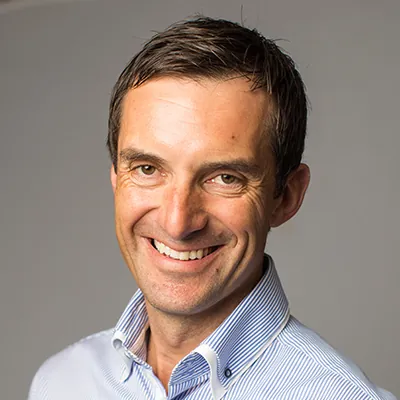
A career spent building wet processing plant for quarries in Britain and Ireland, having previously helped build a global wet processing brand.
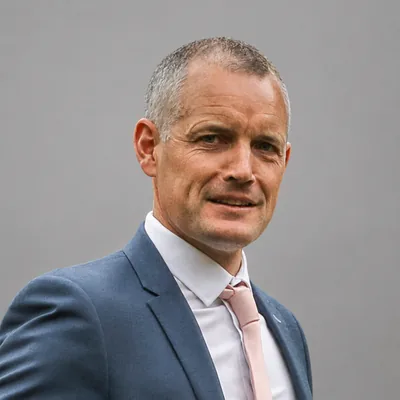
Runs installation and commissioning across the territory, on site rather than at a distance, and is managing delivery of the Darwin project.
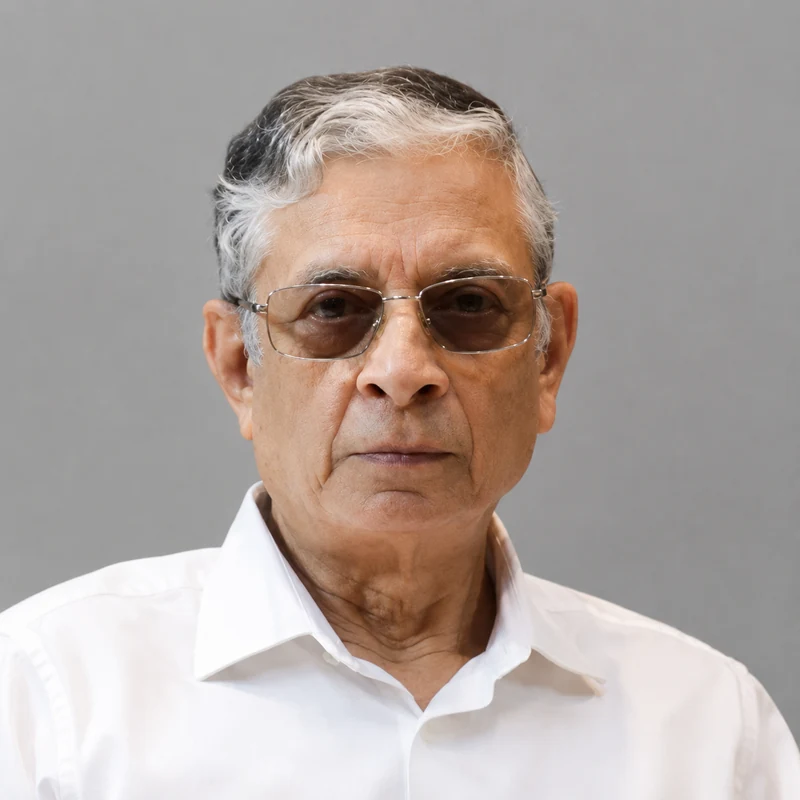
Technical leadership of the Kolkata laboratory, with over forty years in process development.
What we need from you to start
A representative sample or a recent gradation of the feed, its clay and silt content, the moisture as it arrives, the tonnes per hour you want to put through, the products you intend to sell and the specification each has to meet, and the conditions your consent places on water take and discharge. If you already sell unwashed fines or pit-run, the price you get for them is useful too, because it is the number the washed product has to beat.
Start with the Sample Study & Interpretation page, which sets out how to sample and what a programme covers, or contact the regional team and an engineer will come back to you.
Frequently asked questions
Does CFlo have a plant running in New Zealand?
The reference plants on this page are in India, Vietnam, Malaysia, Indonesia and the Gulf, and the nearest project is the Micrograder in manufacture for a frac sand site near Darwin, with commissioning scheduled for early next year. CFlo has over 500 installations across 20 countries, and every New Zealand project begins with a Sample Study on the operator's own material rather than on a claim.
Can the Combo handle river gravel with clay and silt in it?
Yes. On a natural deposit the Combo takes one as-dug feed and produces graded concrete sand plus clean gravel split into the sizes the market buys, removing the clay and silt that came out of the ground with it. Where the clay is plastic and bonded to the stone, a Scrubmax logwasher is fitted ahead of the plant to scrub it off stone on stone. At Subang in West Java a Combo Alpha runs on pit sand carrying up to 25% below 75 microns and has processed more than 1.5 million tonnes.
Will washing greywacke crusher fines give us a concrete sand?
That is the duty the Combo is most often bought for. The plant washes the fines the crusher produces, removes the minus 75 micron fraction under control and grades what is left to sit inside a concrete sand envelope; YTL Cement does exactly this on 0–5 mm crusher dust in Malaysia. Whether a given feed gets fully inside the standard depends on the rock and the crusher setting, which is what the Sample Study establishes, including the sand's performance in concrete.
How much water does the plant use, and what leaves the site?
Up to 95% of the process water is recycled, and fresh water is needed only to replace what leaves in the product and the sludge cake. The Hydromax thickener replaces settling ponds with one tank, and Easysettle rigidifies the tailings at the point of disposal so they release their water at once and dry to a trafficable cake in about 48 hours. No liquid effluent crosses the fence. Where a consent rules bays out, mechanical dewatering is specified instead.
Who sells and supports CFlo plants in New Zealand?
CFlo sells through Certified Partners, and in Australia and New Zealand that is an Australian Certified Partner, who puts the commercial proposal to you. CFlo Europe Limited in Belfast manages delivery and commissioning across the territory, and the Sample Study and manufacture are in Kolkata. Plants are built to Australian and New Zealand standards. Regional sales and support is on +61 870 925 996 or [email protected], and the contact page lists every office.
How do we start?
Send a sample. Programmes are sized from 20 kg for a short bench programme up to 2500 kg for a full pilot campaign, and the report comes back in one to two weeks for a short programme and up to twenty to twenty-four weeks for an extensive one, measured from receipt. The Sample Study & Interpretation page sets out how to sample and what the programme covers. If the numbers work, Pre-Engineering designs the plant while your consent and approval are in progress.