Water is central to aggregate washing. It is used to clean sand, remove silt, and manage waste, yet for decades it was treated as an unlimited resource. Today, both water and sand are among the industry’s most contested and volatile resources, directly affecting construction viability.
The industry is moving away from a model where water management was secondary. The old approach relies on single-use water and inefficient sludge ponds, which deplete local water resources and consume large areas of land. Recognizing these costs has triggered a wave of innovation. By addressing these inefficiencies, producers are turning what was once a liability into a managed asset, enabling operations to run efficiently and sustainably while reducing impact on surrounding communities.
Regulators are tightening limits on water extraction and discharge to protect shared resources. At the same time, communities near quarries are becoming more vocal, resisting operations they see as a threat to local water supplies and environmental quality. This resistance creates real financial risk through delays, legal challenges, and imposed operational changes that reduce project returns. Community goodwill, once intangible, now translates directly into faster approvals, lower legal costs, and more stable operations. Responsible water use is key to earning and maintaining this trust.
A conventional wash plant consumes between 1,800 and 3,000 liters of fresh water per ton of material processed. A mid-sized plant operating at 200 tons per hour can require more than five million liters per day. This is not only an environmental concern; it is a growing financial burden and an increasingly visible business risk.
For decades, the aggregates industry measured success primarily in tons per hour, promoting a culture focused on scale and speed. While throughput remains important, this narrow focus has obscured the growing costs and risks tied to resource use and waste generation, particularly water. In many cases, the push for higher output has undermined long-term productivity.
A new approach is needed, one that balances output with sustainability. The future of the industry will be shaped by two core metrics: tons per hour and liters per ton. Liters per ton measures the net fresh water used to produce one ton of finished material. More than an environmental metric, it reflects operational efficiency and resilience to water scarcity. It allows production to be decoupled from dependence on finite water resources.
Making liters per ton a core KPI drives meaningful change. What gets measured gets managed. Elevating water efficiency reshapes priorities across the organization, influencing equipment selection, operating practices, and site design. Sustainability becomes a shared responsibility embedded into daily decision-making.
This is a proactive shift. Competitive advantage will increasingly depend on how efficiently companies manage process water. Where processing capacities and logistics once mattered most, water efficiency now plays a central role. Zero-discharge systems improve permitting outcomes, enable operations in water-scarce regions, and reduce regulatory and financial risk.
The challenges facing the aggregates industry require a fundamental rethink of wet processing plant design. CFlo entered the market with a simple question: why should water recycling be optional? Since water is essential to the process, its recovery and management must be built into the plant itself. This led to a redesign of plant architecture, shifting from disconnected components to a single, integrated system.
Traditional wash plants are assembled from multiple suppliers and built on site over long periods. This approach requires extensive civil works, complex integration, and places most of the risk on the operator. The result is a rigid installation where water and sludge management are treated as secondary, spreading across the site in the form of concrete foundations and settling ponds.
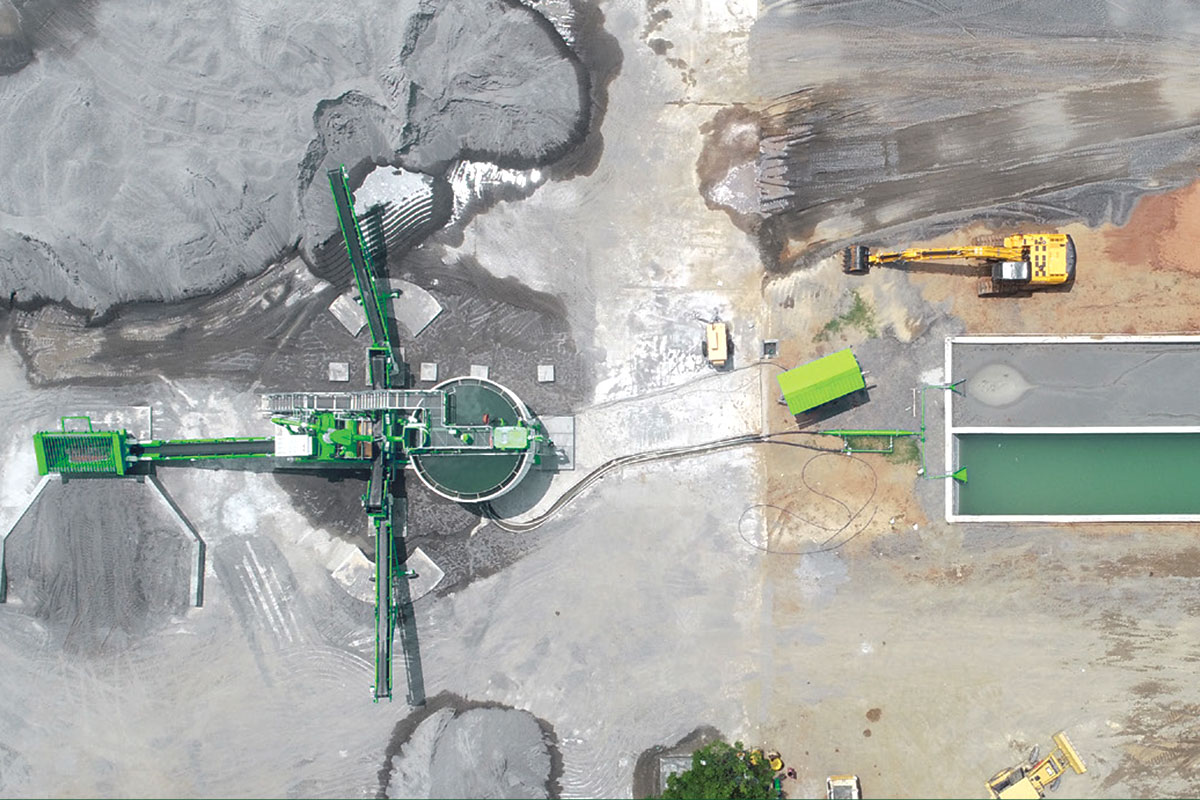
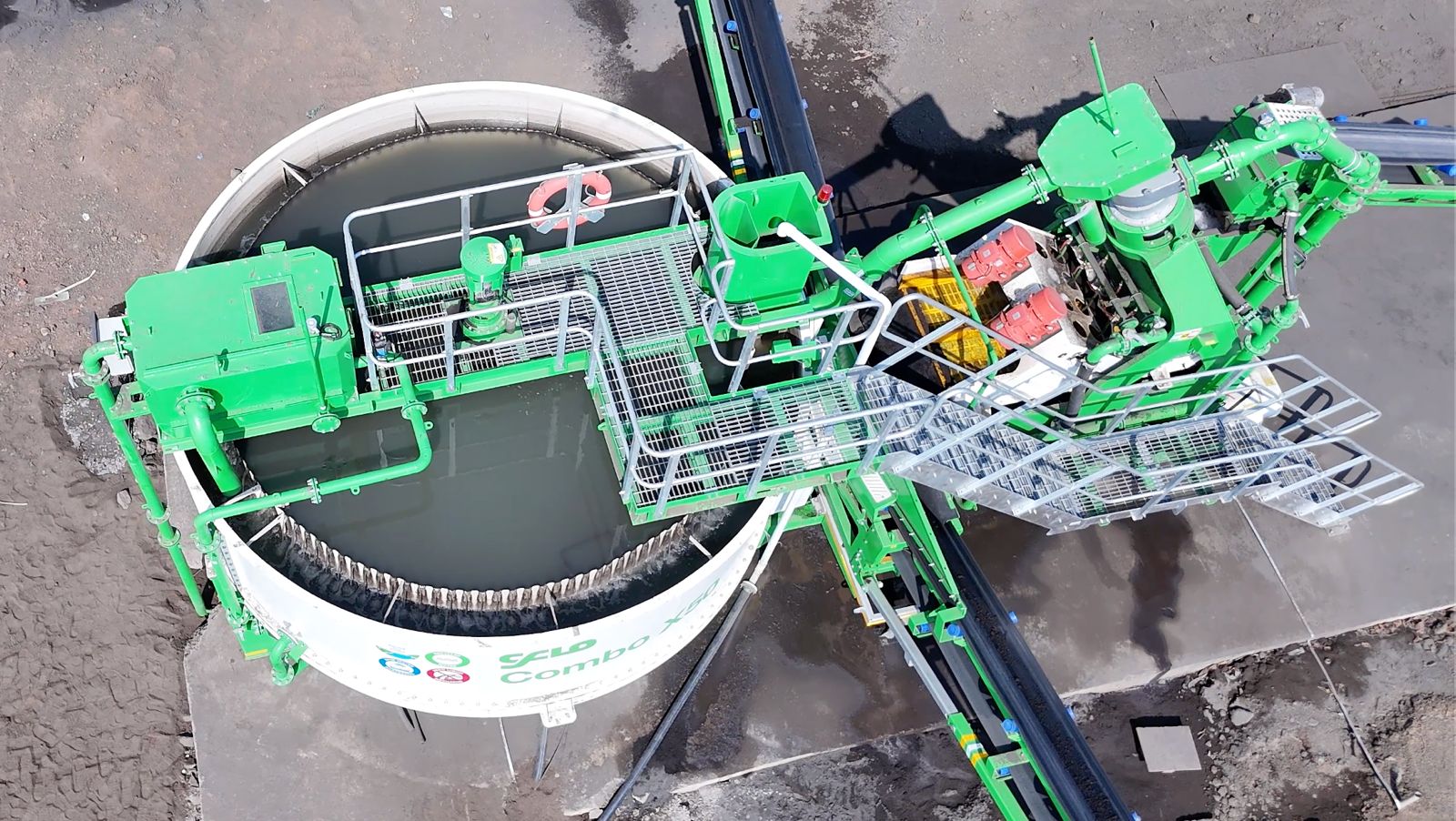
By contrast, the CFlo Combo platform is the world’s first patented chassis that integrates all seven critical wet processing functions into a single, containerized unit. This marks a shift from supplying individual components to delivering a complete, optimized system.
The Combo chassis integrates feeding, screening, classification, dewatering, water recovery, sludge handling, and stockpiling. This compact design improves efficiency and delivers performance greater than that of individual standalone components. The integrated approach allows CFlo to offer defined outcomes: a guaranteed tonnage of in-spec material, predictable water efficiency, and a fixed commissioning timeline. This significantly reduces project risk for operators.
Integration also extends to deployment and mobility. CFlo’s plug-and-play design standardizes power, water, instrumentation, and control connections, simplifying installation. Precast civil pads are bolted together, placed under the chassis, and moved with the plant. Unlike traditional plants, where foundations and contaminated ponds become long-term liabilities, the entire operational footprint of the Combo is mobile. This allows operators to work on short-duration projects or in sensitive environments, with rapid site restoration and minimal residual impact. Plants can be shut down, relocated, and restarted within days because the system is designed as a single, cohesive unit.
A fully integrated, mobile, and water-efficient plant depends on two complementary technologies: the Water Recycling System (WRS) and the Easysettle sludge bay manager. Together, they transform water management from a constraint into a controlled, optimized process.
Traditional water recovery relies on large, static thickeners that require heavy foundations and lengthy civil works. CFlo’s Water Recycling System (WRS) removes this constraint. Mounted directly on the Combo chassis, it is factory-built, self-supporting, and fully mobile, saving space and simplifying installation.
Its patented design allows clarified water to return to the plant by gravity, eliminating the need for large recovery pumps. By rethinking the plant layout, CFlo removed a major source of energy use, maintenance, and failure. This simplicity reduces power consumption by up to 30% and improves overall system reliability.
The result is lower capital cost, reduced energy use, lower operating expenses, and easier maintenance.
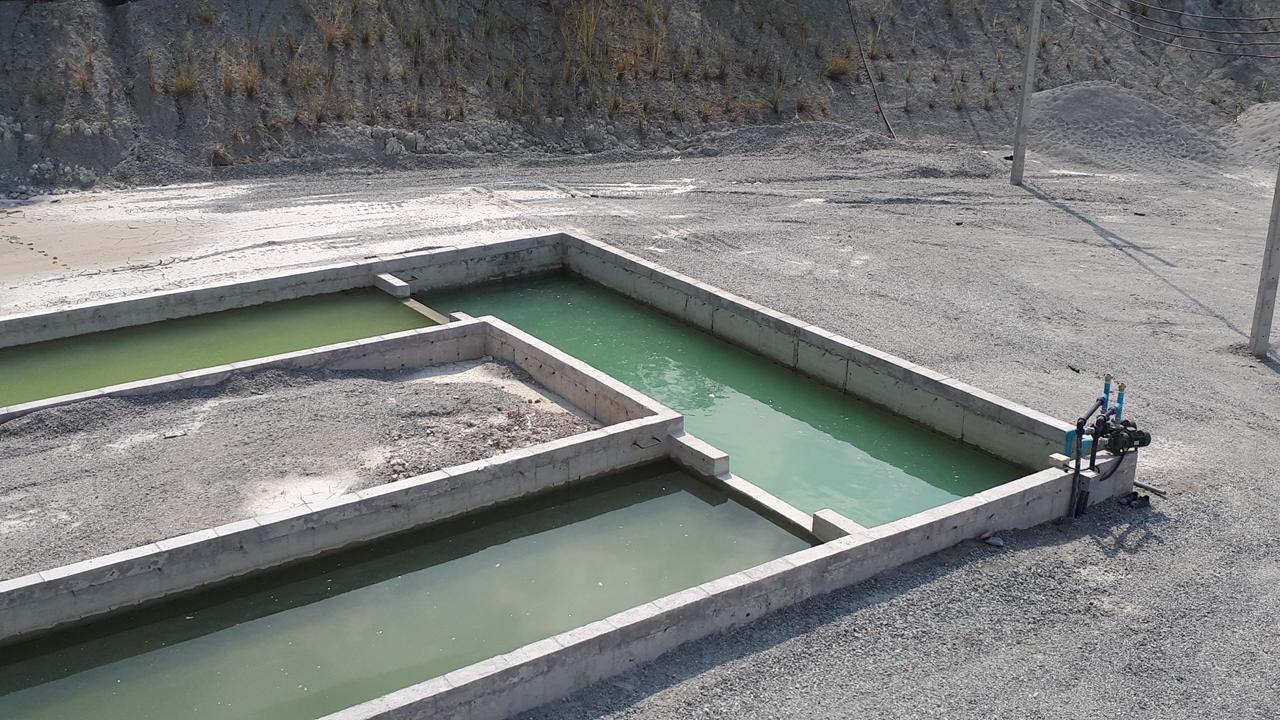
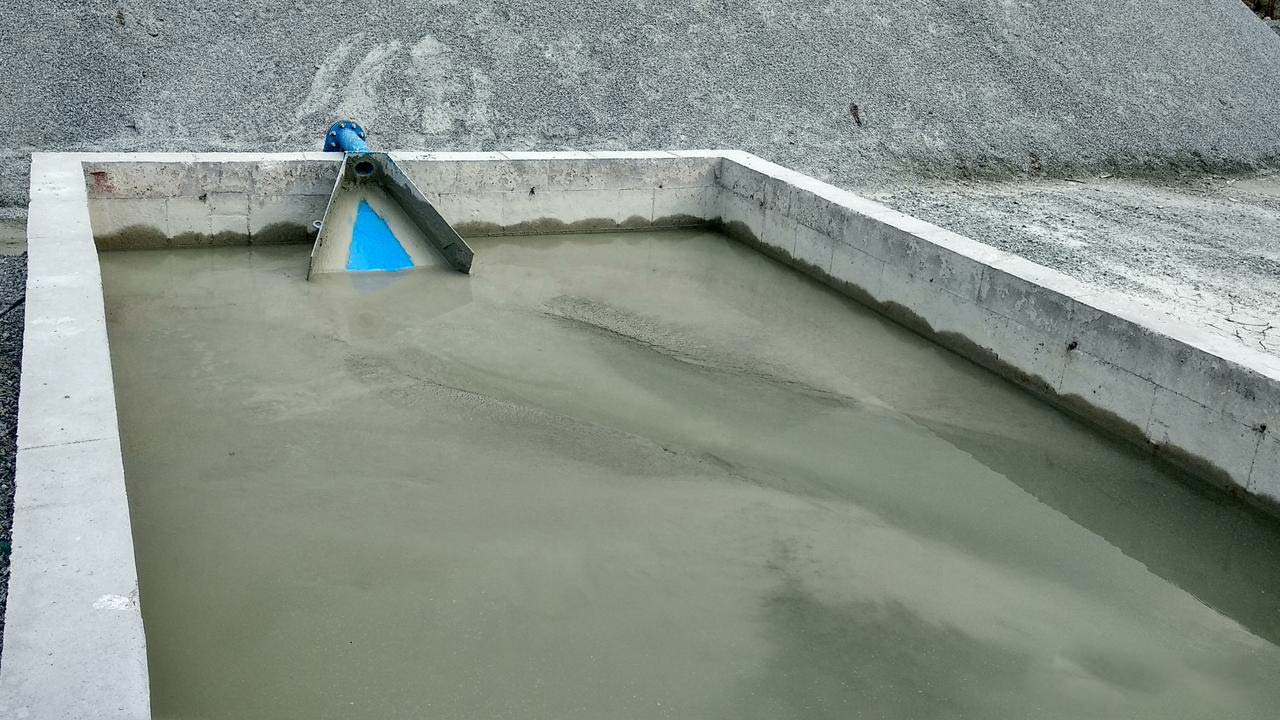
Sludge management has traditionally been the weakest part of wet processing. Pumping slurry into large ponds is inefficient, unsafe, and environmentally damaging. CFlo’s Easysettle manager replaces this with a controlled, engineered approach.
Slurry from the processing plant is treated in a controlled manner using an advanced polymer dosing system. The polymer solution is prepared in a dosing station, where it is mixed and conditioned before being injected into the slurry line through inline mixers. This ensures uniform mixing and consistent treatment. The polymer accelerates settling by binding fine particles together, allowing water to drain rapidly from the sludge. Clear water is recovered and returned to the process, while the sludge consolidates into a stable, compact mass. This controlled approach reduces pond size, improves water recovery, and enables safe handling and reuse of settled material.
Mounted on the Combo chassis, Easysettle features a modular design ideal for fixed or multi-site operations, eliminating the need for large pond systems or additional dewatering equipment.
Together, these systems reinforce each other. The integrated chassis enables gravity-fed water recovery, while efficient sludge handling supports compact, mobile operation. Each design choice amplifies the benefits of the others, delivering higher efficiency and greater operational reliability.
Real-world performance defines true innovation. CFlo systems operate successfully in some of the world’s most challenging environments, delivering not just efficiency gains but fundamental business transformation.
Processing Limestone Waste in the Emirates
In Fujairah, UAE, Power International faced growing stockpiles of rejected 10 mm limestone due to high clay and silt content. In a water-scarce region, this waste consumed valuable land and threatened operating licenses.
A 350 TPH CFlo Combo plant transformed the rejected material into saleable construction sand while operating in a closed loop. While a conventional system would have required nearly 10 million liters of water per day, the Combo consumed only 480,000 liters daily, achieving 95% water recovery with zero liquid discharge. The result was higher yield, reduced land pressure, and improved regulatory and community acceptance.
Infrastructure Development in Maharashtra
The Samruddhi Mahamarg Expressway required large volumes of high-quality sand in drought-prone regions. Thirteen CFlo Combo units produced nearly 45% of the project’s sand demand while operating in closed-loop mode. The plants delivered IS:383 compliant sand without creating water conflict, enabling the project to progress efficiently within environmental and social constraints.
Converting C&D Waste in Delhi
At Delhi’s Burari plant, CFlo technology enabled India’s largest C&D waste recycling facility to produce high-grade construction materials without increasing pressure on the city’s limited water supply. The project demonstrated that circular construction material systems are viable even in dense urban environments. Its success gave regulators confidence that higher recycling standards were practical, supporting the rollout of national waste management policies.
Advanced water management is no longer optional. It directly affects costs, resilience, and critical to success of the project. Every liter recycled reduces dependence on external water sources and lowers operational risk.
The integrated system reduces costs by cutting freshwater intake, lowering energy use through gravity-based water recovery, and improving sludge handling efficiency. Reliable water availability also improves uptime and throughput, enabling faster commissioning and quicker returns.
Zero liquid discharge reduces regulatory and financial risk, helping plants secure approvals faster and improve access to ESG-focused capital.
Closed-loop operation goes beyond zero discharge by converting settled sludge into unburnt construction bricks, turning waste into a saleable product and enabling zero-waste operations.
The industry’s direction is clear: plants without high water recycling and zero-discharge capability will face increasing challenges in permitting, financing, and community acceptance. Closed-loop systems represent the future.